
Category: Heritage & Conservation
-
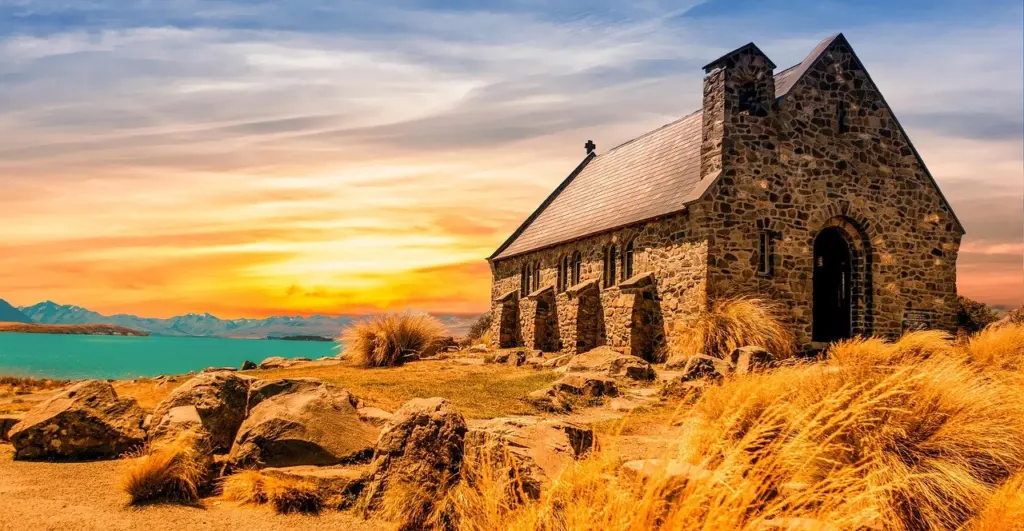
Heritage Conservation Basics
Read →: Heritage Conservation BasicsFacing a scaffolded church and wondering what is heritage conservation? It is the care of places and objects so their meaning and material last, using the least change that keeps them safe. Conservation starts with understanding why something matters, then chooses actions that protect that value. Pick the route below that matches your interest. Each…
-

From voicesofconservation.org blog
Read →: From voicesofconservation.org blogA voicesofconservation.org blog roundup for October 2026: this week’s tour of what the conservation site has been posting, plus a few notes on how its web address is written when people type it into search. The site covers environmental issues, world news and saving the planet. Site Voices of Conservation, an environmental conservation blog Sections…
-
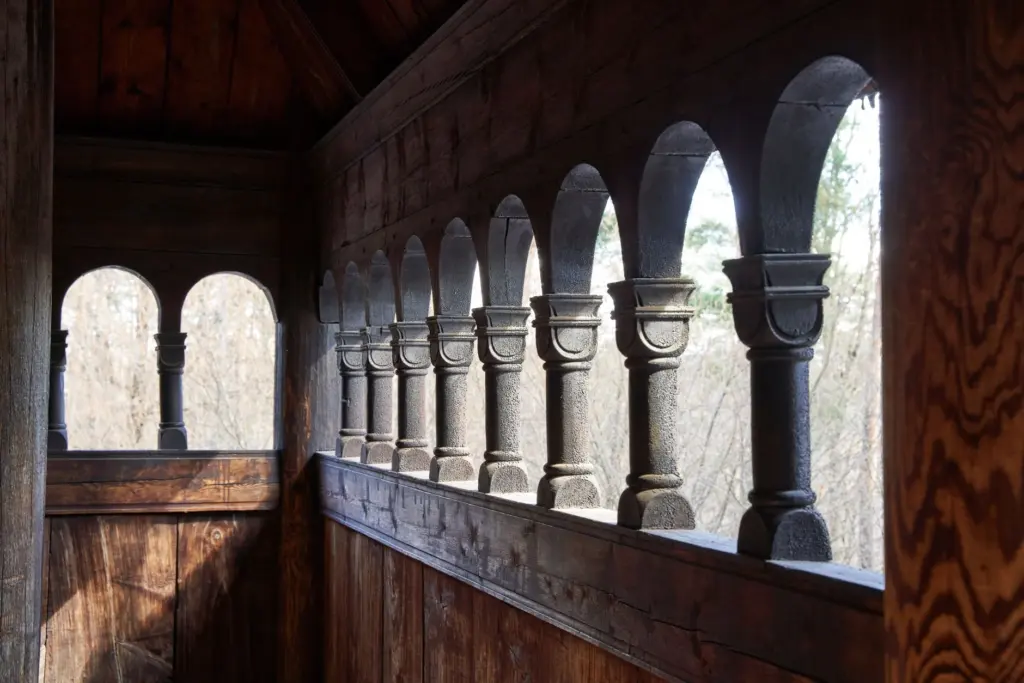
Inside The Stave Church: A Visitor’s Guide To Norway’s Wooden Sanctuaries (2026)
Read →: Inside The Stave Church: A Visitor’s Guide To Norway’s Wooden Sanctuaries (2026)What you see What it tells you Planning use Borgund: built around 1180, never rebuilt or expanded, with a pulpit from the late 1500s and an altarpiece from 1620 A medieval structure that still stands as built, with later furnishings added over time Choose Borgund when you want to separate original medieval fabric from later…
-
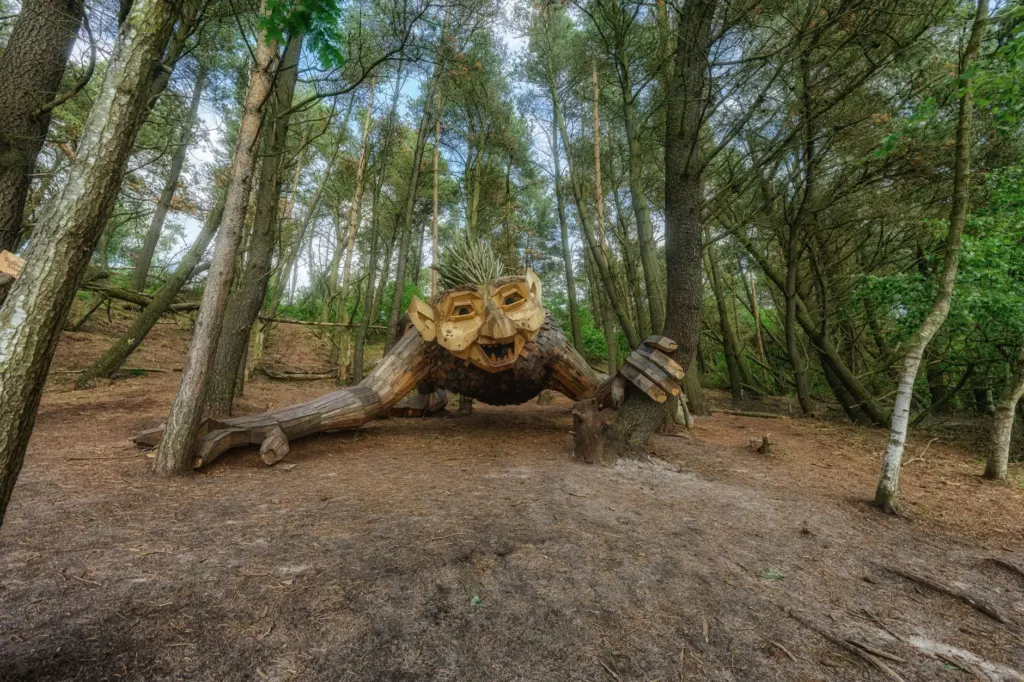
Scandinavian Folklore Creatures: Spirits, Giants, And Hidden Beings That Shaped The North
Read →: Scandinavian Folklore Creatures: Spirits, Giants, And Hidden Beings That Shaped The NorthCreature Tradition and setting Function in the stories Planning use Näcken Sweden; lakes, rivers and streams Water spirit that lures people with violin music Best starting point for water-themed stories and festivals Huldra Sweden; forest Beautiful woman with long flowing hair and a hollowed back Suits forest themes and folk music or dance Skogsrå Sweden;…
-
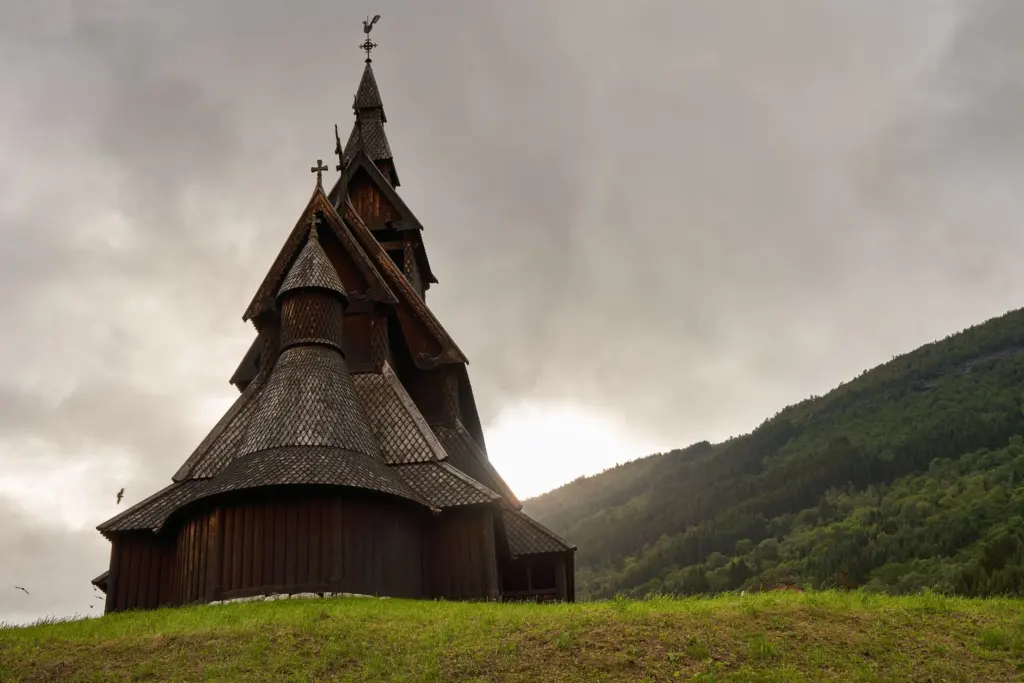
Hopperstad Stave Church: Discovering Norway’s 12th‑Century Timber Masterpiece
Read →: Hopperstad Stave Church: Discovering Norway’s 12th‑Century Timber MasterpieceA traveller who expects either a ruin or a modern copy finds neither. The Hopperstad stave church in Vik was built around 1130 and restored in the 1880s, so it is medieval timber with a documented repair layer. The sections below separate what is documented from what visitors commonly assume, then cover the practical side…
-
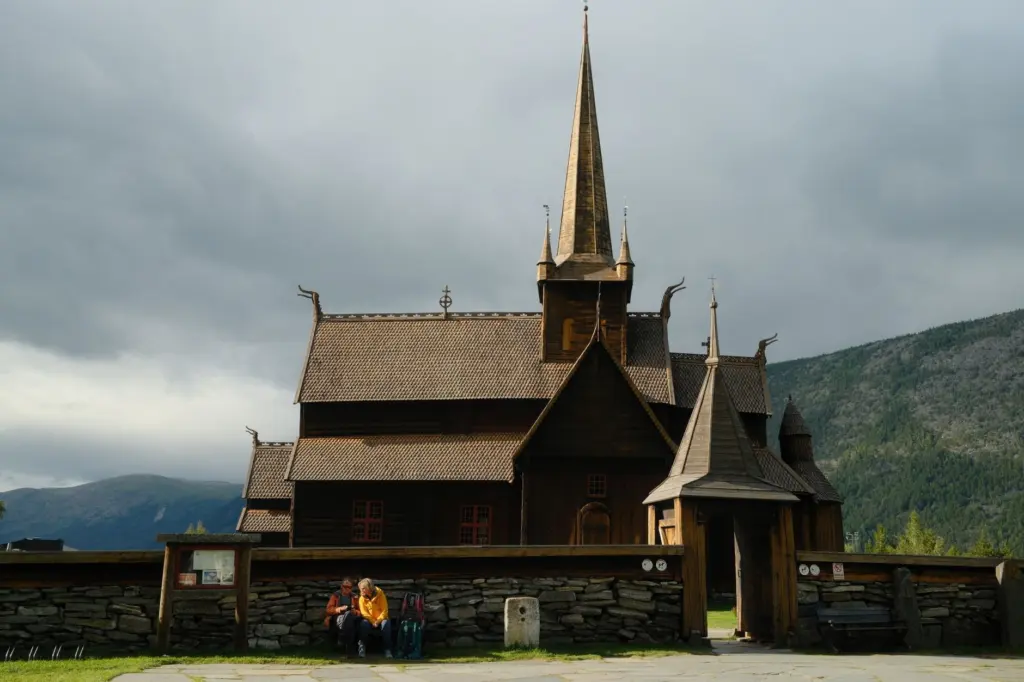
Norwegian Wedding Traditions: Timeless Customs, Lively Celebrations, and What To Expect in 2026
Read →: Norwegian Wedding Traditions: Timeless Customs, Lively Celebrations, and What To Expect in 2026Invited to a wedding in Norway and unsure whether to wear a bunad? Norwegian wedding traditions blend church or city hall ceremonies, bunad, kransekake and toasts, and guests often wear bunad themselves. Most confusion comes from assuming a single fixed script. This guide separates custom from assumption, and travellers who want to see the heritage…
-
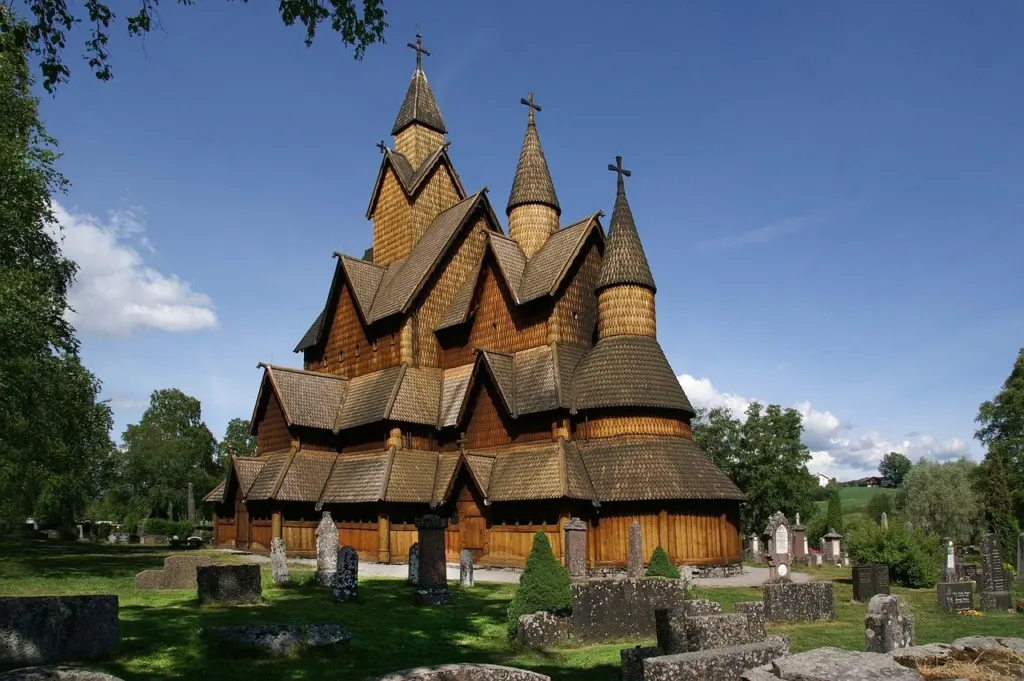
Heddal Stave Church: Norway’s Majestic Wooden Landmark — A Visitor’s Guide (2026)
Read →: Heddal Stave Church: Norway’s Majestic Wooden Landmark — A Visitor’s Guide (2026)Detail What is supported Planning use Location Heddalsvegen 412, 3676 Notodden, in Telemark; roughly 1 hour 45 minutes to 2 hours by road from Oslo, depending on traffic Allow for the drive each way when starting from Oslo, and leave margin for traffic. Construction Around 1250 Treat it as a medieval building that has been…
-
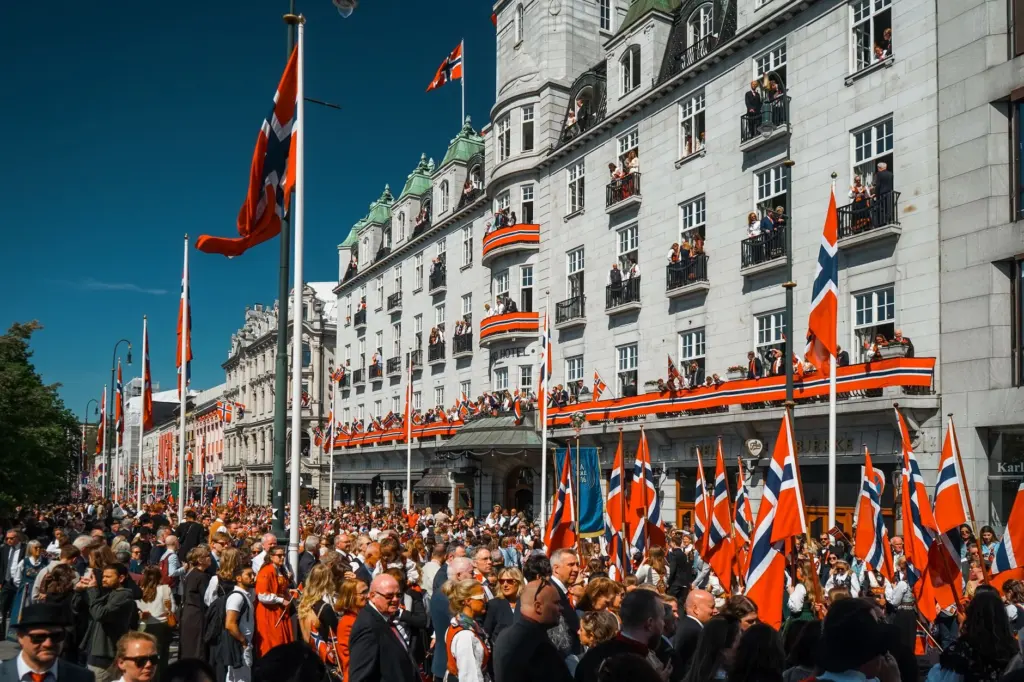
Norwegian Culture And Traditions: How Norway’s Heritage Shapes Daily Life In 2026
Read →: Norwegian Culture And Traditions: How Norway’s Heritage Shapes Daily Life In 2026A visitor who expects small talk with strangers in Norway often meets silence instead. Norwegian culture and traditions favour modesty, informality and time outdoors, so reserve usually signals comfort, not coldness. The customs below are easy to misread, and each section corrects one common assumption. For the wider picture of how to plan a cultural…
-

Viking Protection Symbols: Ancient Runes, Amulets, and How They Kept Warriors Safe
Read →: Viking Protection Symbols: Ancient Runes, Amulets, and How They Kept Warriors SafeShopping for protection viking symbols usually leads to the Vegvisir and the Helm of Awe, yet the best-attested protective objects are Mjölnir pendants and runic inscriptions found by archaeologists. The Vegvisir comes from manuscripts written centuries later. The split matters whenever a jewellery listing, tattoo design or museum label calls something “Viking”. For a refresher…
-
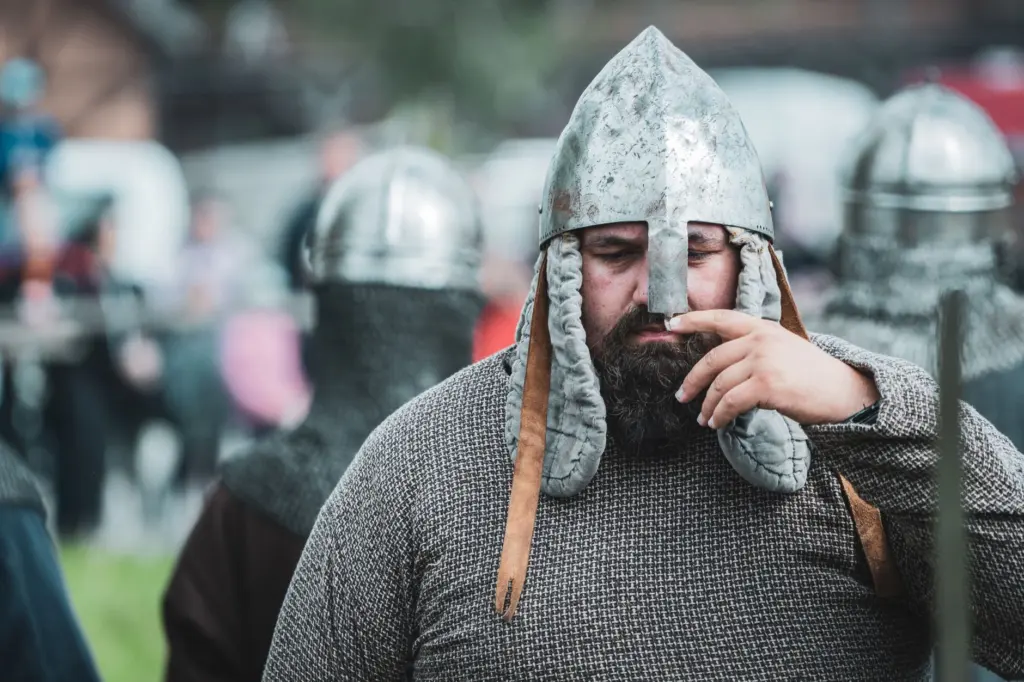
Berserker Viking Symbols: Origins, Meanings, and Modern Uses (2026 Guide)
Read →: Berserker Viking Symbols: Origins, Meanings, and Modern Uses (2026 Guide)Evidence What is attested Planning use Hide costume Berserkers wore ritual costume from the hide of a totem animal: bear for berserkers, wolf for úlfhéðnar Treat bear and wolf as the core animal motifs Torslunda plates Bronze dies for helmet decoration from Öland, Sweden (500s–600s), showing a warrior in a wolf skin beside a weapon…