

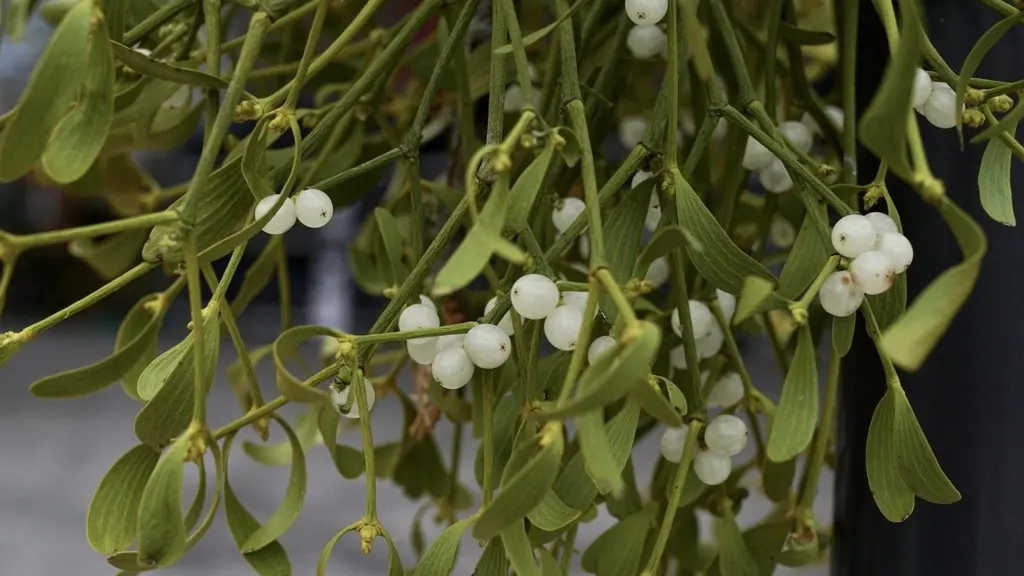
Nearly everything in the cosmos swore not to harm Baldur, and a sprig of mistletoe still killed him. That is norse mythology baldur in brief: the radiant son of Odin and Frigg, undone by a plant overlooked in the oaths.
Quick answer: Baldur was a god of beauty, peace, light, the summer sun and joy. His blind brother Hodr threw the mistletoe, Loki directed his hand, and Baldur fell dead on the spot. The gods took the death as the first presage of Ragnarok, the doom of the gods.
The story survives in written texts of different kinds. Readers who want to judge the versions can start with a short guide on what are primary sources in history and then return to the comparisons below.
Who Baldur was
Baldur is the son of Odin and the goddess Frigg, according to the History Cooperative’s profile of Baldr. The same profile gives his domains as beauty, peace, light, the summer sun and joy. His name comes from the Proto-Germanic *Balðraz and means “prince” or “hero”, so the name itself casts him as a prince or hero among the gods.
The profile also names his brother. The blind god Hodr (Höðr) is Baldur’s only full sibling. That family tie matters later, because the weapon that kills Baldur is thrown by a brother who cannot see his target.
In the death story Baldur himself does very little. Others protect him, test him and fail him. That is why the myth reads as a story about the limits of protection, and why his domains of light and joy make the loss feel larger than one god’s death.
Common misunderstandings about Baldur
Short summaries of the myth tend to flatten it. The table sets the usual assumptions against what the accounts actually show.
| Common assumption | What the accounts show | Why it matters for reading the myth |
|---|---|---|
| Loki killed Baldur himself. | Hodr throws the mistletoe. Loki only points his hand toward where Baldur stands. | Responsibility is split between the schemer and the instrument. |
| Baldur could not be harmed at all. | Frigg obtained oaths from every entity except mistletoe, which seemed too small and innocent a thing to ask. | The protection was real but incomplete, and the tragedy depends on that gap. |
| Baldur is only a gentle god of peace and light. | In Saxo Grammaticus’s Gesta Danorum he is a warrior hero pining for the hand of a woman. | The god of peace and light is not the only Baldur in the sources. |
| His death was a private family tragedy. | The gods recognise it as the first presage of Ragnarok. | The death works as a hinge for the story of the world’s end. |
The details come from the norse-mythology.org retelling of Baldur’s death and the History Cooperative’s account of Baldr.
How Baldur died, step by step
The sequence below follows the retelling at norse-mythology.org. It cites the Poetic Edda’s Baldrs Draumar and Snorri Sturluson’s Prose Edda, Gylfaginning 49, as its sources. Each step is a separate beat, so you can see where a given detail enters the story.
- Baldur has nightmares. The gods treat the dreams as a warning about his life.
- Odin seeks an answer. He rides to the underworld to consult a dead seeress he knew to be especially wise.
- Frigg gathers oaths. Hoping to save her son, however remote the chance, she goes to every entity and asks it not to harm Baldur.
- One thing is left out. Frigg asks everything except the mistletoe, which seems too small and innocent to matter.
- The gods test the protection. According to the History Cooperative, they amuse themselves by hurling objects at Baldur, and the objects bounce off harmlessly.
- Loki finds the weakness. In disguise, he goes to Frigg and asks her about the oaths.
- Hodr throws the mistletoe. Loki tells the blind god he will point his hand toward Baldur. The mistletoe pierces Baldur straight through and he falls dead on the spot.
- Hel names a condition. Speaking for the realm of the dead, she says she will send Baldur back if every thing in the cosmos weeps for him.
The game of throwing objects is what makes the final step work as drama. The gods’ relief and amusement show how complete the safety looks, so the mistletoe lands as a reversal and not a mere accident.
Hel’s condition shows how the myth sets the terms of loss. Baldur’s return is made to depend on the grief of everything in the cosmos, so the fate of one god becomes a test of the whole world.
Loki’s role in the killing
Loki’s part is easy to overstate or understate. He does not throw the mistletoe, yet the death does not happen without him. The retelling at norse-mythology.org shows him in two moves: he disguises himself to approach Frigg and learn the weakness, and he then points Hodr’s hand toward Baldur. Mythlok’s summary of the Prose Edda adds that his actions lead to Baldur’s death and contribute to the events of Ragnarök.
Splitting the roles clarifies who did what:
- Loki: the planner. He uses a disguise to get information from Frigg and then supplies the direction that turns a harmless twig into a weapon.
- Hodr: the instrument. He is the blind god and Baldur’s only full sibling, and he throws the mistletoe only because Loki directs his hand.
- Frigg: the protector. Her oaths make Baldur safe from nearly everything, and the one thing she leaves out becomes the route to his death.
- The other gods: the audience. They play at throwing objects, so their confidence in the protection is what the killing overturns.
For a reader, the useful point is that guilt in the myth is layered. The story does not give you a single villain acting alone; it shows a deception, an unknowing act and a protective plan with one gap.
Eddic and Saxo versions compared
The best-known death story belongs to the Eddic material. The norse-mythology.org retelling cites the Poetic Edda’s Baldrs Draumar and Snorri Sturluson’s Prose Edda, Gylfaginning. In that tradition Baldur is the radiant god whose loss stuns the gods.
Saxo Grammaticus offers a different portrait. According to the History Cooperative, Baldr becomes a warrior hero in Saxo’s Gesta Danorum, pining for the hand of a woman. The emphasis moves from radiance and peace toward martial heroism and romantic longing.
These are best read as separate traditions, not as one story with a few extra details. When you want the mistletoe, the oaths and the blind brother, go to the Eddic tellings. When you want to see how Baldur could be recast, Saxo shows a hero in a different mould. Blending the two risks attributing to Saxo a god of light and summer, or to the Eddic tale a lovesick warrior.
What Baldur’s death means for Ragnarok
Baldur’s death means for Ragnarok what a first warning means for a coming disaster. In the norse-mythology.org account, the gods knew this event was the first presage of Ragnarok. They do not treat it as a closed tragedy, and they read it as the opening of a sequence.
The link is also traced through Loki. Mythlok notes that his actions lead to Baldur’s death and contribute to the events of Ragnarök, so the schemer who sets up the killing is tied to the later catastrophe. A reasonable reading is that the myth moves the gods from a world where light and peace look secure to one where their security has been proved hollow.
That reading is interpretive, and it rests on the fact that the gods themselves name the death as a presage. The strongest version of the claim stays close to the texts: the death comes first, and the gods see it as a sign of what follows.
Baldur beside other Norse myth subjects
Baldur’s story sits among other Norse myth subjects covered on this site. The Valkyries, who feature in the same mythic world, are treated in Valkyries Of Norse Mythology: Warrior Women, Choosers Of The Slain, And Their Lasting Legacy (2026 Guide) – Scanheritage. Thor’s hammer and its meaning are covered in Mjolnir: Thor’s Hammer — Origins, Meaning, And Legacy In Norse Mythology (2026 Guide) – Scanheritage.
Frequently asked questions
| Question | Answer |
|---|---|
| Is Baldur’s name spelled Baldr, Balder or Baldur? | All three forms are used. The History Cooperative gives Baldr as the main spelling and lists Balder and Baldur as alternatives. |
| When was the Prose Edda written? | It was written in the early 13th century by Snorri Sturluson in Iceland, according to Mythlok. |
| Was mistletoe really the only gap in Frigg’s oaths? | In the norse-mythology.org retelling, mistletoe is the one thing she did not ask. The History Cooperative instead says she neglected a single element, air, so tellings differ on what was left out. |