


| Item | Supported detail | Planning use |
|---|---|---|
| Viking Ship Museum | Three well-preserved Viking ships from the 9th and 10th centuries; listed as included in the Oslo Pass | Make this your first heritage stop. It is the clearest overlap between a headline sight and the pass. |
| Kon-Tiki Museum | Free to visit with the Oslo Pass | Add it only if you already hold a pass, since it costs nothing extra then. |
| Island ferries | Most ferries to Oslo’s islands belong to the public transport network, so a transit ticket or the Oslo Pass covers them | Fjord outings need no separate ticket if you already have transport cover. |
| Bygdøy ferry | Ferry ride included in the Oslo Pass | Count it as part of the pass value if you are heading to the museums there. |
| Oslo Pass | 24-, 48- or 72-hour versions covering museums and all transportation, plus 10 to 20 percent off selected stores and restaurants | Match the duration to your number of full sightseeing days, not to the length of your stay. |
Figures above come from Wandertooth’s Oslo highlights guide and Rudderless Travel’s Oslo guide.
The best things to do in Oslo Norway lead with Viking ships, Akershus Fortress and the National Museum; buy the Oslo Pass only if you will visit several included museums and use public transport.
Oslo suits a heritage-first itinerary because the Viking, medieval and art sights sit alongside a fjord and a transport network that the pass can bundle. For the wider logic of building a trip around sites like these, see how to plan a cultural heritage trip.
Viking ships and medieval Oslo
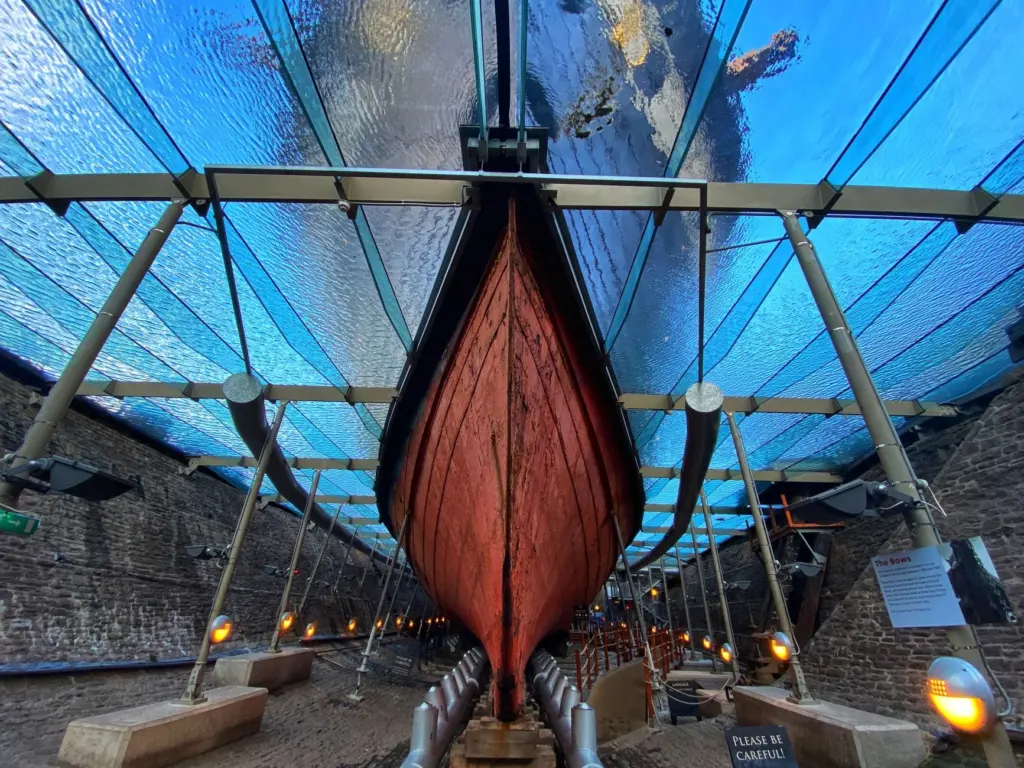
Oslo’s Viking Ship Museum is the answer to where you can see Viking ships in the city. Wandertooth describes it as three really well-preserved Viking ships dating back as far as the 9th and 10th centuries. Confirm current opening arrangements on the museum’s own website before you build a day around it, because that is the one sight in this guide you should not skip.
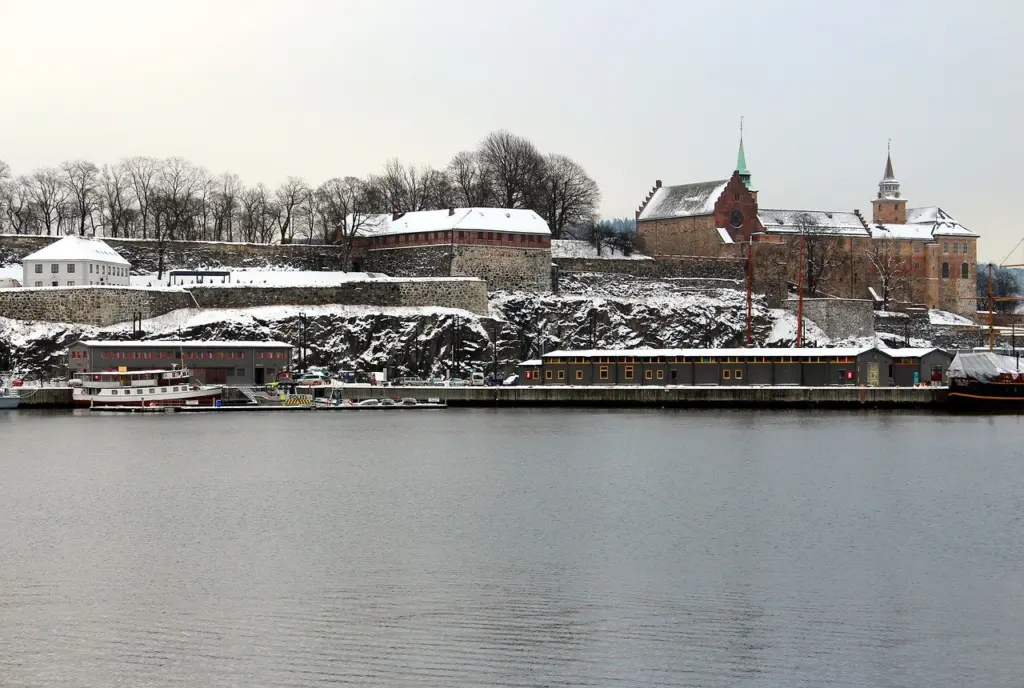
Medieval Oslo comes next in priority. According to Guide to Lofoten, construction of Akershus Fortress began in 1299 under King Håkon V, and the guide calls it the best-preserved medieval castle complex in Norway. In practice that makes the fortress the natural pair for the Viking ships: one stop covers the Viking age, the other the medieval capital.
Two further heritage options suit people who want buildings rather than objects:
- Norsk Folkemuseum. Rudderless Travel describes it as in part an open-air museum with 160 historic buildings, so it rewards a longer, unhurried visit than a gallery would.
- Gol Stave Church. I Travel for the Stars notes that this church at the Norwegian Folk Museum dates from the 12th century, which makes it the oldest structure type you can walk into on this list.
Art and the Munch question
If your priority is Edvard Munch, you must decide which museum to visit, because both are reported to show The Scream. I Travel for the Stars calls the National Museum the one with Munch’s The Scream. The new MUNCH Museum, which Guide to Lofoten says opened to the public in October 2021, shows only one of three versions at a time, with one unveiled every hour while the other two stay covered.
That rotation has a practical consequence. At MUNCH, the version on view depends on the hour of your arrival, so check the museum’s schedule if you care which one you see. The National Museum is the better choice if you want Munch as part of a broader tour of Norwegian painting and design rather than a single-artist visit.
Landmarks and ceremonies
The Oslo Opera House works as an easy, low-commitment stop. Guide to Lofoten says the modern building was unveiled to the public in 2009, and Rudderless Travel notes that it lets people walk on top of it. Treat the roof as a place for harbour views rather than a timed attraction; it slots between heavier museum visits.
The Royal Palace needs more planning. Annees de Pelerinage reports that the palace is open to visitors only between the end of June and mid-August, while the Changing of the Guards takes place daily at 1:30 pm and takes roughly 40 minutes. If you visit outside the summer window, you can still see the ceremony but should not plan on going inside.
Oslofjord and the islands
Oslo lies on the eastern shore of Oslofjord, according to Guide to Lofoten, so the water is part of the city rather than a separate excursion. The cost effect is the useful part: Wandertooth says most ferries to Oslo’s islands are included in the public transport network. A fjord afternoon therefore adds little to your budget if you already have transit cover.
Choose the island trip for a day that is otherwise heavy on indoor sights. The ferry doubles as a way to see the fjord and to break up a museum-heavy itinerary.
Oslo Pass maths
The Oslo Pass is worth buying when your plan is built from the sights it covers, and it is not worth buying for a relaxed stay of walking and cafes. Rudderless Travel says the Oslo Pass comes as 24h, 48h or 72h passes. Each version gives access to all the museums and all transportation, plus 10 to 20 percent off at selected stores and restaurants.
Use these decision points to test your own itinerary:
- Buy it if you stack museums. The Viking Ship Museum is listed as included, and Wandertooth reports getting into several museum-type spots, including Vigeland Sculpture Park, free with the Oslo Pass. Kon-Tiki Museum is free with it too.
- Buy it if you move around a lot. Transport and the Bygdøy ferry ride are part of the pass, so a day of island hopping and cross-city trips counts in its favour.
- Skip it for a single anchor sight. If you plan one museum and a walk, add up the admissions you will actually use and compare them with the pass price for the duration you would need.
- Do not count the discounts as the reason. The reductions apply only at selected stores and restaurants, so they are a bonus rather than a basis for the purchase.
The 24-, 48- and 72-hour versions all start from the same logic: pick the shortest one that covers your busiest sightseeing days, because a pass only saves money on days when you use it heavily.
When to go
Timing depends on whether you want light or open doors. Annees de Pelerinage suggests early spring, noting that by the end of March Oslo is light enough to enjoy the city. That is a sensible choice if you want the Viking, art and fortress sights without relying on summer-only openings.
Choose the summer window instead if the Royal Palace interior matters to you, since its visitor season runs from the end of June to mid-August. Heritage-focused visitors can do well in either season; only the palace forces the decision.
Combining Oslo with other Scandinavian stops
Oslo’s heritage emphasis contrasts with the other Scandinavian cities in this series. If you are choosing between capitals or adding a second city, compare 15 Must-Do Things in Copenhagen in 2026: A Local’s Day-By-Day Guide – Scanheritage for a day-by-day city plan, and Things To Do In Bergen: A Compact 2026 Guide To Must‑See Sights, Food, And Fjords – Scanheritage for a fjord-led alternative.
Frequently asked questions
Is Oslo City Hall free to enter?
Yes, on weekdays during normal office hours, according to Guide to Lofoten. The same guide mentions a carillon of 49 bells, which makes a stop worthwhile even if you only have a short gap in your day.
Where can you buy the Oslo Pass?
One traveller reports purchasing it at the tourism board in Oslo S Train Station, as described by Rudderless Travel.
How long should you allow at the Viking Ship Museum?
A blogger at Wandertooth reports spending about 45 minutes inside. That is a reported visit, so allow longer if you like reading every display.
What else is inside Akershus Fortress?
The Norwegian Resistance Museum is located within the fortress, according to Guide to Lofoten, so the site covers more than medieval walls.