

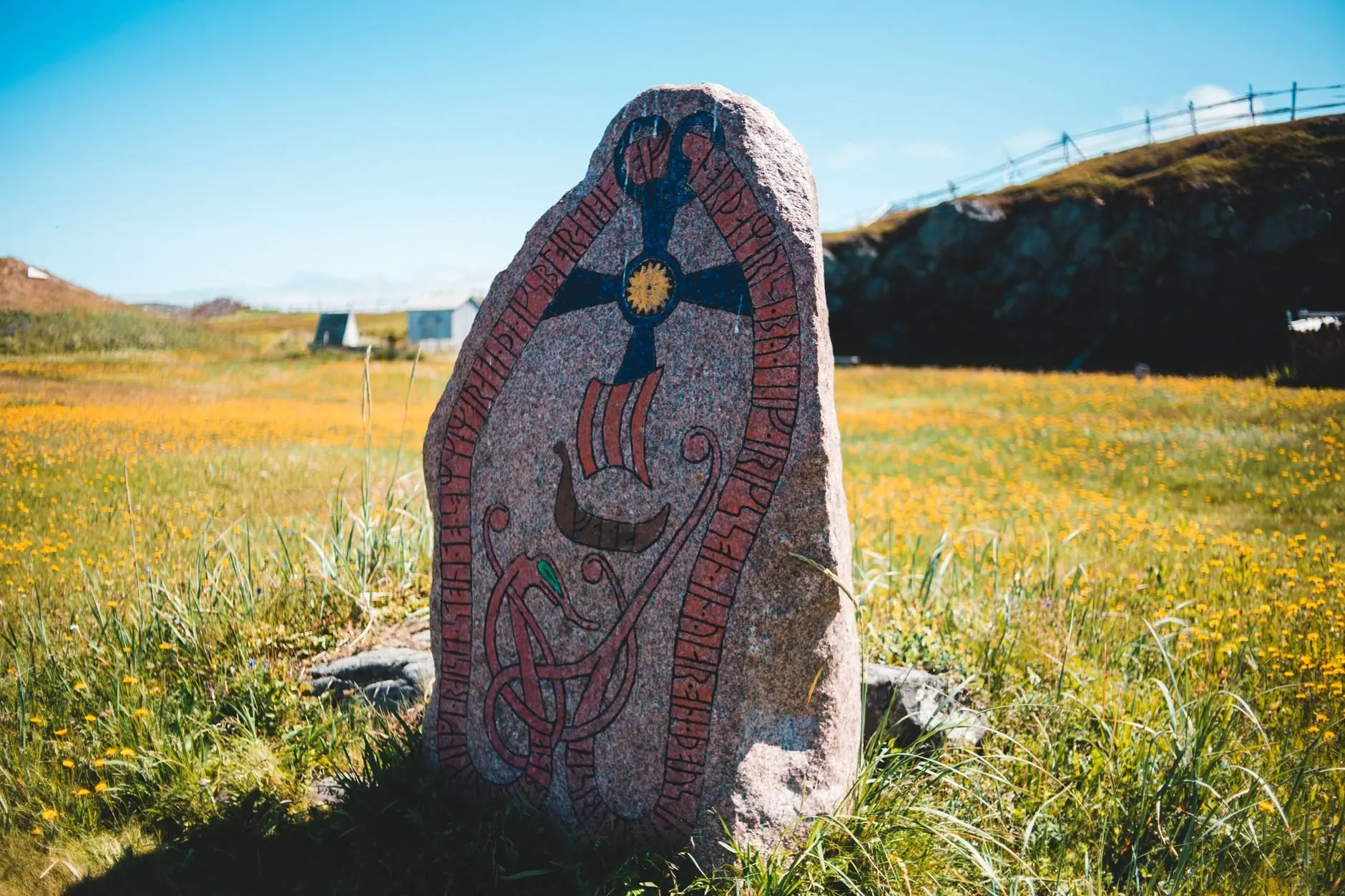
The Elder Futhark runes are a 24-sign Germanic writing system, the oldest known complete rune alphabet, first appearing around the 1st century CE. Treat them as an archaeological script first. Their meanings are reconstructions, not fixed instructions.
Runic inscriptions are primary evidence, so it helps to know what are primary sources in history before judging what a carved line can and cannot prove. This guide follows the script from its origin to its successors, then covers reading the signs, inscription types and modern use.
What the Elder Futhark is
The Elder Futhark has 24 runes, and a beginner’s guide to reading runes describes it as the oldest known complete rune alphabet. The same guide dates its first appearance to around the 1st century CE. It is a fixed row of signs, each with a name and a sound, not a loose collection of symbols.
The row is split into three groups of eight called aettir (singular aett). The word Futhark itself is simply the first six runes of the first aett read as a word, in the way “alphabet” is built from the first two Greek letters. That is why the name is spelled as a single string of sounds.
Modern rune guides add that each aett is ruled by a deity who gives the set its theme. Treat that as a modern organising convention for study, not as evidence about how the original carvers thought of the row. The evidence that survives is the inscriptions themselves.
From Elder to Younger Futhark: the sequence of change
The Elder Futhark did not vanish overnight; it was replaced in stages. The order of events matters because it tells you which chart to use for which inscription.
- Emergence. The 24-rune row first appeared around the 1st century CE.
- Wide use. A Futhark overview places wide use of the Elder Futhark in the Migration Period, circa 300–700 CE.
- Reduction. A later version with only 16 runes developed and was predominantly used in the Viking Age, circa 700–1100 CE. This is the Younger Futhark.
- Branching. The Anglo-Saxon Futhorc went the other way and grew to 33 runes, more than the Elder Futhark.
The Younger Futhark did not simply copy the older script. The Elder Futhark has 24 signs and the Younger Futhark 16, so the two rows cannot share one lookup chart. If you are reading a Viking Age inscription, use the shorter row. If the object belongs to the Migration Period, use the 24-sign row.
| Script | Number of runes | Period | What it means for a reader |
|---|---|---|---|
| Elder Futhark | 24, in three aettir of eight | First appeared around the 1st century CE; widely used circa 300–700 CE | Use this chart for the earliest inscriptions |
| Younger Futhark | 16 | Predominantly used in the Viking Age, circa 700–1100 CE | Use this chart for Viking Age inscriptions; do not read it with the 24-sign chart |
| Anglo-Saxon Futhorc | 33 | Later than the Elder Futhark | Needs its own chart because it has extra signs |
Rune counts and periods in the table come from a Futhark overview and a beginner’s reading guide.
The Viking Age link is useful context. Younger Futhark inscriptions belong to the same era as the ships described in Viking Longships: How They Were Built, Sailed, and Feared Across Medieval Europe – Scanheritage, so the two topics read well together.
Names, sounds and meanings of the signs
Each rune carries three pieces of information: a name, a sound and a reconstructed meaning. The sound is what matters for reading an inscription. The meaning belongs to the name, the word the sign stands for, and it is a reconstruction.
Two examples show how this works. Uruz is the letter U and represents the aurochs, the ancient bull, according to a rune-reading guide. Thurisaz is equivalent to the sound TH and is translated as hammer, thorn or giant. Note that Thurisaz is the one sign here whose single sound needs two Latin letters in transliteration, and that its meaning is given as several possible words.
That second point is the practical lesson on meanings. When a name has several translations, a modern list that gives one tidy word is picking a favourite. If you want to understand an inscription, rely on the sound values to read it and treat the meanings as background about what the sign’s name denoted.
A sensible way to learn the row
- Learn by aett. Three groups of eight are easier to hold in memory than one block of 24, and the grouping is part of how the row is described.
- Pair name and sound. Say the name aloud while tracing the sign, then note its sound value. The sound is what you need for transliteration.
- Keep the meaning provisional. Record a meaning only as a gloss for the name, and expect multiple options, as Thurisaz shows.
- Check the chart against the date. Before transliterating, confirm whether the object belongs with the 24-sign or the 16-sign script.
What the inscriptions were used for
Runes were practical writing. According to the same guide, runic inscriptions have been found on stones, wood, bones, tablets and other objects. They were used to denote commercial transactions and political and legal matters, as well as in magic, divination and spell work, and on gravestones.
This range is the main correction to a common modern assumption. Divination was one use among several, and a good deal of runic writing was ordinary record-keeping and commemoration. If you read an inscription as a message first and a magical object only when the evidence points that way, you are closer to how archaeologists approach the material.
The variety of materials also changes what survives. Stone and bone last; wood is more fragile. The inscriptions we can study are therefore a partial record of how widely the script was used.
Runestones and where to see them
Runestones are the most visible form of runic heritage, and the quickest way to connect the script to a real place. Standing stones in open landscape are the familiar image, though the carving style on many stones is decorative, and a stone can look runic without carrying a legible Elder Futhark inscription.
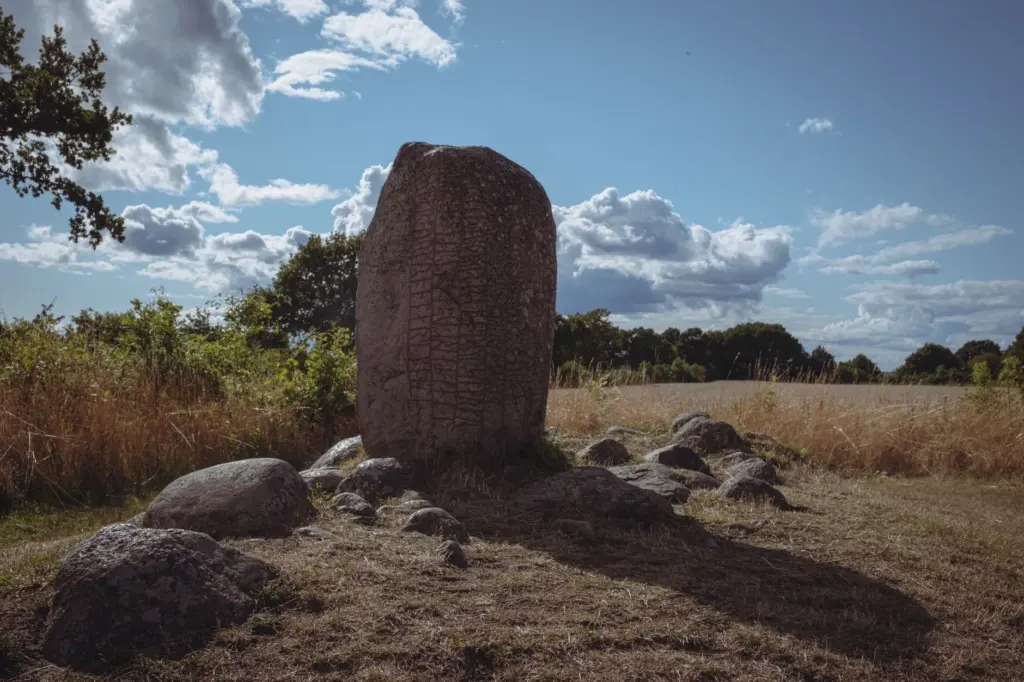
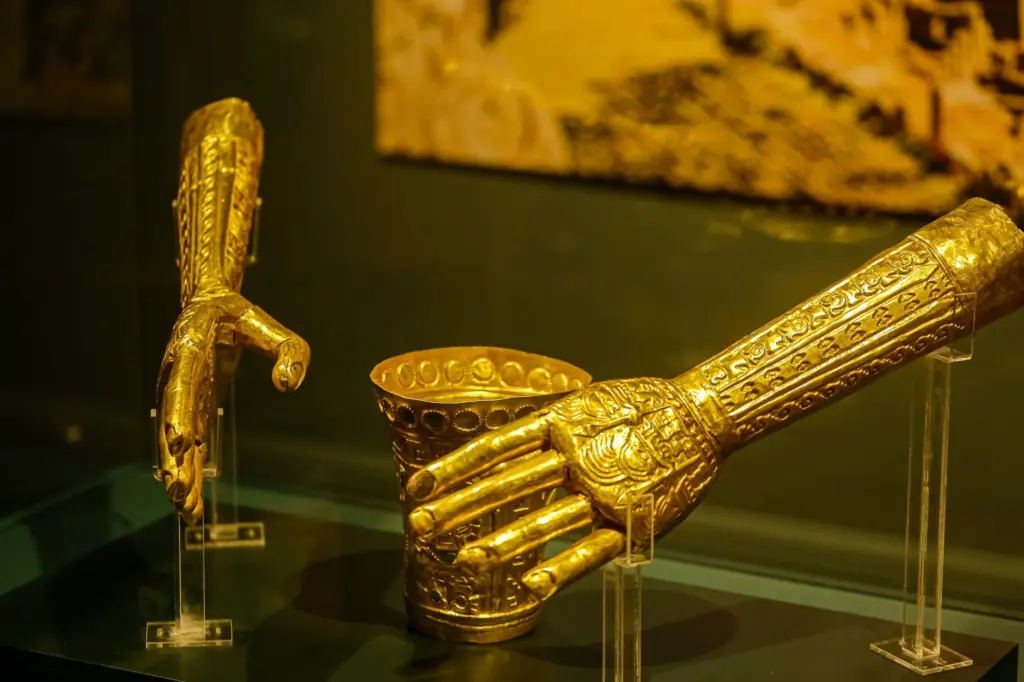
For a visit, start with national museum collection records and heritage agency listings, which describe individual objects and their find circumstances. Use the stone’s recorded date to decide which rune chart applies before you try to read it. Museum cases hold portable objects as well as stones, so the same inscription may be easier to inspect close up indoors than outdoors in weather.
Reading with care and using runes today
Reading an Elder Futhark inscription is a language task. Identify the script, match each sign to its sound, and transliterate. Interpretation of the words comes after that, and it should be cautious.
Modern symbolic and divinatory uses are a separate tradition built on the historical script. They have their own conventions, and the explanation of how those meanings are used today is in Nordic Runes Meaning: A Practical Guide To Symbols, Origins, And Uses (2026) – Scanheritage. Keep the two apart: a meaning chosen for a modern reading is not evidence about what a carver intended.
When you cite runes in writing or teaching, say which script you mean and give the period. “Runes” alone blurs a 24-sign script, a 16-sign script and a 33-sign script.
Frequently asked questions
What are the Elder Futhark runes?
They are the 24 signs of the oldest known complete rune alphabet, arranged in three aettir of eight and named Futhark after the first six runes.
How many runes are in the Elder Futhark, and how do they compare with later scripts?
The Elder Futhark has 24 runes. The Younger Futhark has 16, and the Anglo-Saxon Futhorc has 33.
When were the Elder Futhark runes used?
They first appeared around the 1st century CE and were widely used in the Migration Period, circa 300–700 CE. Inscriptions appear on stones, wood, bones, tablets and other objects.
Were runes only used for magic?
No. Inscriptions also denote commercial transactions and political and legal matters, and appear on gravestones, alongside magic, divination and spell work.