

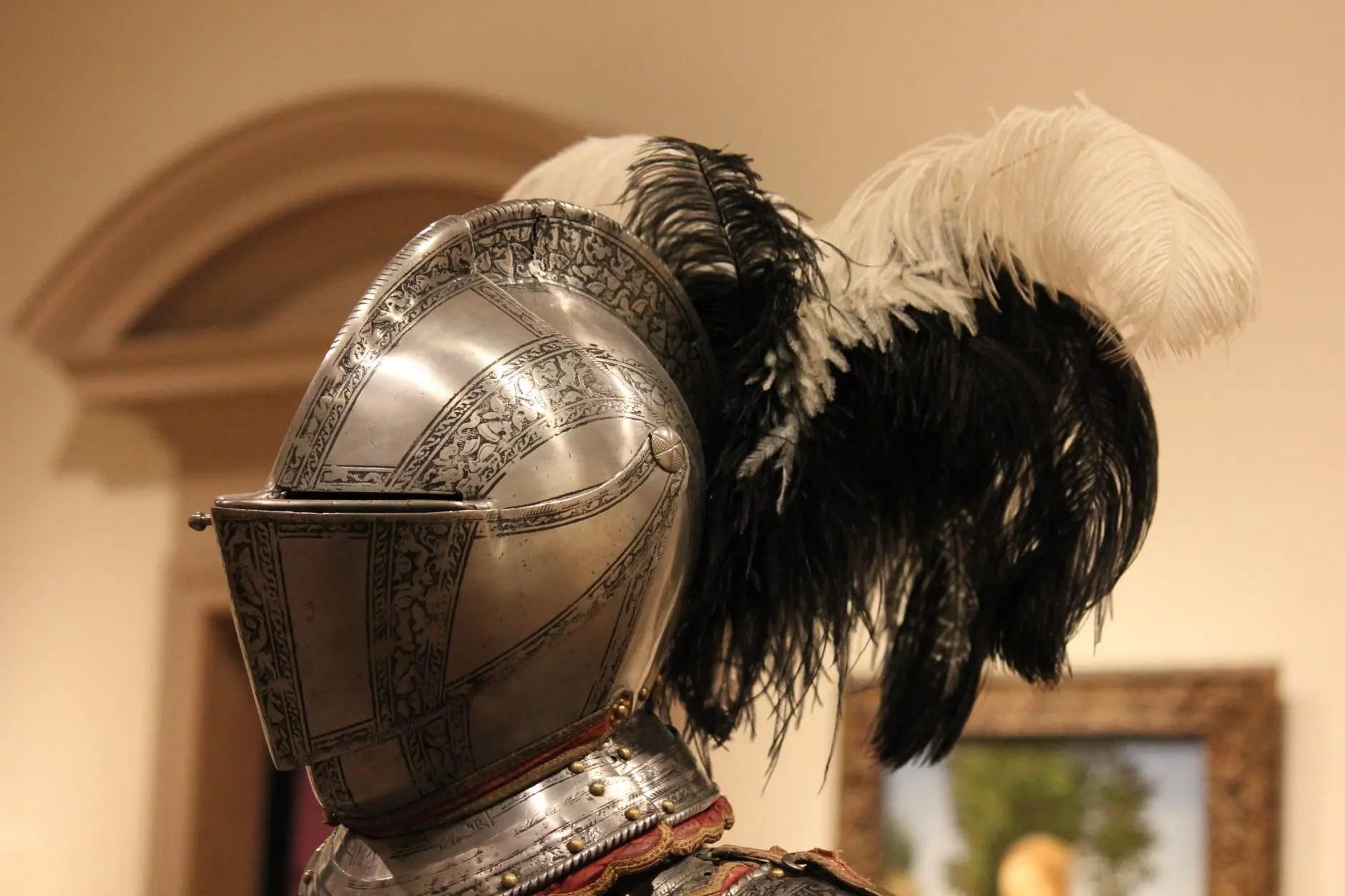
The Sutton Hoo treasure is the set of 263 luxury items placed around a seventh-century ship burial in England, including a helmet, a gold buckle and gold coins. Basil Brown dug the mound in 1939.
Readers who want the wider method behind a dig like this can start with our explainer on what is archaeology, then return here for the hoard itself, the people who excavated it and the practical choices for seeing it.
Discovery and excavation, stage by stage
Sutton Hoo was uncovered in a short sequence of steps that began with a landowner’s decision to dig. The dates below follow the account in The New Yorker, with the handover to an academic taken from DigVentures.
- A landowner hires a digger. Edith Pretty, then fifty-three, lived with her son on a five-hundred-acre estate named Sutton Hoo. She employed Basil Brown to investigate the mounds on her land.
- Brown arrives. He reached Sutton Hoo at 11 A.M. on 20 June 1938.
- The largest mound is tackled. Brown returned in May 1939 to excavate the largest mound.
- The chamber appears. On the evening of 14 June 1939, while he was alone on the mound, Brown found the burial chamber.
- An academic takes over. Charles Phillips took over the dig in 1939, so the discovery passed from a local excavator to a professional-led project within the same season.
- Ownership is settled. An inquest was held at Melton village hall on 14 August 1939. Pretty gave everything to the British Museum five days later.
The answer to “who excavated it” is therefore shared. Brown opened the mound and found the chamber, Phillips led the excavation that followed, and Pretty both commissioned the work and donated the finds. The Heritage Trust’s anniversary account notes that Brown investigated the largest of many Anglo-Saxon burial mounds on Pretty’s property, which is why the site is better described as a burial ground than a single grave.
What the ship burial contained
The grave held a ship and a very large assemblage. DigVentures counts 263 luxury items that came not only from England but from lands across Europe and Asia, and says the ship was held together by about 3,500 further rivets. The New Yorker describes a 27-metre Anglo-Saxon rowing boat hauled up from the river. The scale of the vessel and the range of the goods together mark this as an exceptional burial, not an ordinary grave with a few valuables. What became of the vessel afterwards is the subject of Where Is The Sutton Hoo Ship Now? Inside The 2026 Story Of Britain’s Greatest Burial Ship – Scanheritage.
Object list at a glance
| Object | Recorded detail | Planning use |
|---|---|---|
| Sutton Hoo helmet | One of only four complete Anglo-Saxon helmets known, and the most elaborate | Treat it as the benchmark for elite martial display in the period. |
| Gold buckle | Gold, 412.7 grams, with surfaces decorated with 13 animals including birds | Look here first for the standard of the metalwork. |
| Purse lid contents | 37 gold coins, three blank coins and two small gold ingots | Use the coins as the dating anchor for the burial. |
| Silver spoons | Handles inscribed in Greek with the names Paulos and Saulos | Read them as evidence of imported, Mediterranean-linked objects. |
| Silver platter | Made in Constantinople during the reign of Emperor Anastasius I | Read it as a Byzantine import reaching an English grave. |
These figures and descriptions come from DigVentures’ review of the ship burial discoveries.
If you read about only one object, make it the buckle. Its 412.7 grams of gold and 13 animals show how much work went into a single dress fitting, and it has its own full treatment in The Golden Belt Buckle From Sutton Hoo: Inside The Iconic Anglo‑Saxon Treasure (2026 Guide) – Scanheritage.
The purse lid is the other object that works as evidence rather than decoration. Its contents, 37 gold coins, three blank coins and two small gold ingots, were found to date the burial to the early seventh century.
Whose grave, and when
The grave goods most likely belonged to King Raedwald of East Anglia, who died around 625 AD, according to The New Yorker. A secondary summary places Raedwald’s death in the 610s or 620s and dates the burial to the late sixth to first half of the seventh century.
The sensible way to hold these statements together is to treat Raedwald as the leading candidate, not a proven identification, and to treat the early seventh century, supported by the coins in the purse lid, as the firmest dating anchor. That wording matters when you read labels, books or tour scripts, because “the king’s grave” is often stated more confidently than the evidence quoted here allows.
What the finds show about Anglo-Saxon society
The treasure shows an elite that drew on far-flung networks and used rare materials to display rank. The New Yorker calls the chamber’s contents relics of beauty, sophistication and range, and the pattern of imports explains why.
- Long-distance supply. A summary of the hoard lists precious stones from Sri Lanka and silver pieces from the Byzantine Empire, and says these items highlight Anglo-Saxon England’s trade connections with the Eastern Mediterranean and Middle East.
- Byzantine and Greek links. The Constantinople-made platter and the Greek-inscribed spoons in the table above point the same way: valuable objects from the Mediterranean world ended up in an English burial.
- Display of rank. The helmet, the gold buckle and the coins in the purse lid all signal wealth. They are best read as signs of the buried person’s status, not as everyday equipment.
The caution is about interpretation. A single grave cannot describe all of Anglo-Saxon society, so the safest reading is that it documents what the very top of society could obtain and choose to bury. For ordinary life in the period, you would need other kinds of evidence.
Seeing the treasure and the site
The original treasures and the burial landscape are in two different places, so choose by what you want to see.
British Museum, Room 41
The Heritage Trust reports that the treasures are displayed in the British Museum’s Room 41. DigVentures adds that only a handful of the 263 artefacts are on display there. Go if you want to see the best-known pieces in person, but do not expect to see the whole hoard.
The Sutton Hoo site
Sutton Hoo has a National Trust Visitor Centre, as noted in the same Heritage Trust account. The site suits readers who want to understand where the burial took place and how the mounds sit on the estate Edith Pretty owned.
- Choose Room 41 if your priority is the original helmet-era metalwork and the objects described above.
- Choose the site if your priority is the landscape, the mounds and the story of the 1939 excavation.
- Do both if you can: the museum shows what was found, the site shows where.
Check the current opening details and any booking requirements on the official British Museum and National Trust pages before travelling.
Frequently asked questions
Was Basil Brown a professional archaeologist?
Brown had left school at the age of twelve, and Pretty employed him at thirty shillings a week, according to The New Yorker. An academic, Charles Phillips, took over the dig in 1939.
Was the person buried at Sutton Hoo pagan or Christian?
If the grave is Raedwald’s, the picture is mixed. A secondary summary says he was baptized in the 590s but continued to adhere to paganism.
What is the Syrian bitumen found at Sutton Hoo?
New analysis in 2016 revealed a substance from the burial to be bitumen from Syria, according to DigVentures. It adds another distant source to the evidence of long-range contacts.