

Hel norse mythology centres on a goddess, Loki’s daughter with the jotun Angrboda, who rules a realm of the dead. In Snorri’s account it receives those who die of illness, old age or other non-violent causes.
The name covers both the ruler and her realm. That is why the early poems, Snorri’s later handbook and modern summaries sometimes disagree. The hub’s explanation of what are primary sources in history helps with weighing them. Below, the story runs from Hel’s parentage to her place among Norse afterlife beliefs.
How Hel came to rule the dead
Hel’s authority follows from three linked steps in the mythology: who her parents are, where she is placed, and what kind of ruler she becomes.
- Parentage. Hel is Loki’s daughter with the jotun Angrboda, and sister of the wolf Fenrir and the Midgard Serpent. The belief that she is Loki’s daughter goes back at least to the ninth century, when the poem Ynglingatal calls her that.
- Placement. In the Prose Edda’s Gylfaginning, Odin threw Hel into Niflheim and gave her authority over nine worlds. Her realm is therefore tied to Niflheim, the cold northern region of the cosmos.
- Sovereignty. Hel rules her own realm, with no husband or other figure to share or reduce her power. This matters in the myth of Baldr, where even the gods have to deal with her as an equal.
The practical result is a ruler who is part of the divine family yet stands apart from the gods who sent her there. Her siblings are the great threats of the myths, so Hel belongs to the same family of dangers the gods spend their time containing. The wider cast of such beings is explored in Scandinavian Folklore Creatures: Spirits, Giants, And Hidden Beings That Shaped The North – Scanheritage.
What the name suggests
The word hel is linked to a term meaning “hidden” and to hylja, “to cover”. It also stems from a Proto-Indo-European root meaning to cover. The name describes a covered or hidden place, which fits a realm of the dead below the ground and out of sight, and explains why one word can name both the place and its ruler.
What the texts say about Hel
Hel’s status as a goddess depends on which kind of source you read. The three main bodies of evidence give three different pictures.
- Skaldic poetry. In the oldest skaldic poetry she is unambiguously described as a goddess.
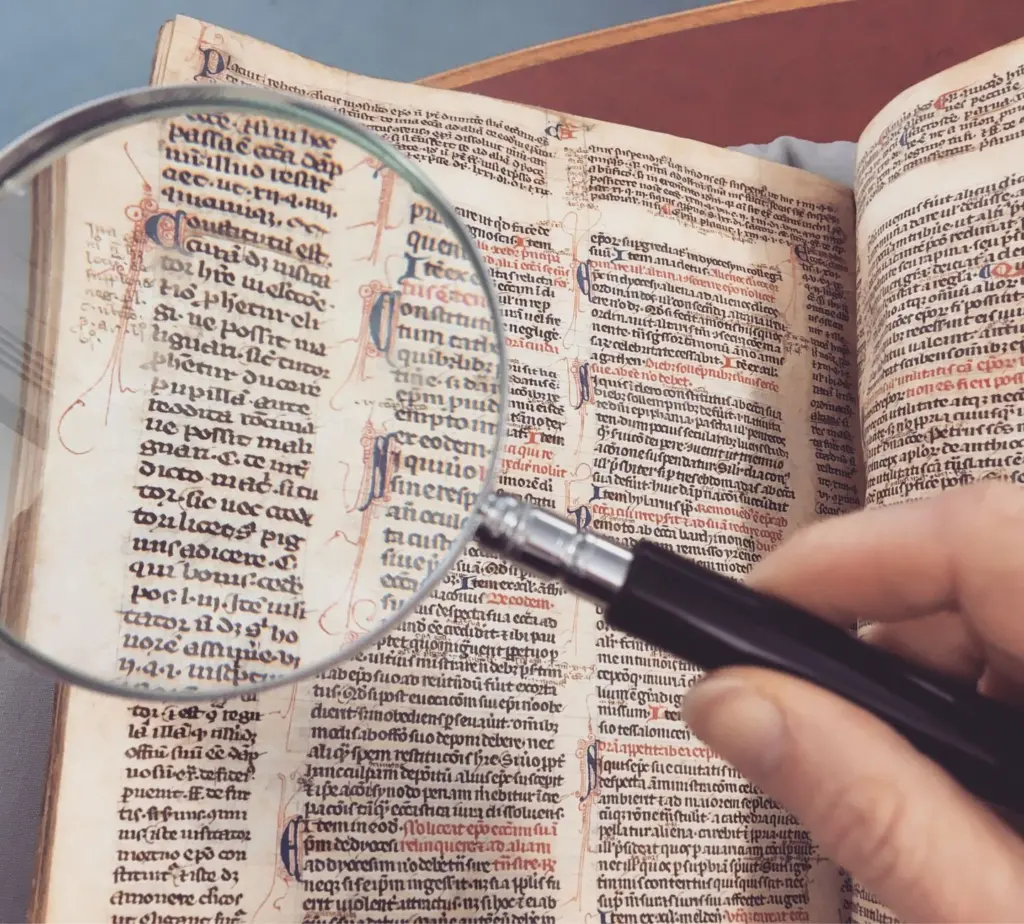
- The Poetic Edda. The Poetic Edda is a compilation of 36 poems on Old Norse mythological and legendary themes, and the Codex Regius manuscript was copied in the 1270s. In these poems Hel rarely appears as an unambiguous goddess. A survey of Eddic usage cited by one study found only one clear use of the name for the goddess, in Grímnismál 31.
- The Prose Edda. Snorri Sturluson’s text is a handbook of Old Norse myth and poetics composed in the 1220s. It supplies most of the vivid detail about Hel’s appearance, hall and household.
The consequence is that the familiar portrait of a grim queen of a dreary underworld rests largely on one thirteenth-century author. A reader should treat Snorri’s description as one source, not as the whole of Norse belief. The Poetic Edda and skaldic verse give a wider and sometimes less bleak view.
Helheim in Snorri’s account
Snorri describes Hel’s realm as dark, dreary and uncomfortable (Gylfaginning 34). The details he gives are specific, and they work as a picture of a household built for the dead.
Location, walls and hall
Hel lies “downward and northward” in Gylfaginning chapter 49, which matches her link to Niflheim. Chapter 34 says she has great mansions, exceptionally high walls and great gates. Her hall is called Eliundnir, her dish Hunger and her knife Famine. Because the names of her household objects are abstract privations, the realm reads as a place of want and confinement more than of torment.
Hel’s appearance
Snorri’s Hel is half black and half flesh-coloured, so she is easily recognised. The divided body suits a figure who stands at the boundary between the living and the dead.
A less bleak picture elsewhere
The realm does not seem especially bad outside Snorri’s account. Poems such as Baldrs draumar describe mead being brewed in Hel’s high halls, which suggests a place where the dead are received and not simply punished. If you want a single image of Helheim, combine the two views: a walled, hungry hall in Snorri, and a hall with mead in the older poems.
Who goes to Hel
Helheim is, in one common summary, home to those who pass away from illness, old age or other non-violent causes. This sets it against Valhalla, which Gylfaginning contrasts with Hel as beautiful and gleaming. The old lore is, however, far more complex than a simple choice between Valhalla and Hel, so the two-way split is a convenient simplification and not a complete map.
Comparing the realms
The table sets Hel beside the other named destinations in the texts, so the differences in who goes where and how each place is described are easy to see.
| Place | Who it receives | How it is described | Planning use |
|---|---|---|---|
| Hel (Helheim) | Those who die of illness, old age or other non-violent causes | Dark, dreary and uncomfortable in Snorri; high walls and great gates; hall called Eliundnir | Treat as the default realm of the dead, not as a punishment for the wicked. |
| Hel in Eddic poems | The dead generally | Mead brewed in high halls, in Baldrs draumar | Use it to balance Snorri’s bleak account. |
| Valhalla | Contrasted with Hel as a place for non-heroic deaths versus heroic ones | Beautiful and gleaming | Read it as Snorri’s contrast to Hel, not as the only alternative. |
| Náströnd (“Corpse Beach”) | Oathbreakers, murderers and deceivers | A place named in Völuspá 37-38 | Shows that wrongdoing, not only manner of death, shaped some fates. |
Descriptions and groupings draw on a survey of Hel in the old lore and on a discussion of Snorri’s Gylfaginning.
Náströnd is the most useful reminder that Hel is not the only place of judgement. Because it is reserved for oathbreakers and similar offenders, it connects to Norse ideas about the weight of oaths, a theme developed in Týr: The Courageous One — A Concise Guide to the Norse God of Law, Oaths, and War (2026) – Scanheritage.
Hel in the Baldr story and at Ragnarök
Two episodes show what Hel’s authority means in practice. In the myth of Baldr, the Æsir cannot force or persuade her to return Baldr, so any return depends on her terms. The story shows that the gods’ power ends at the boundary of Hel’s realm, and that she is a ruler to be negotiated with, not a servant to be ordered.
At Ragnarök the picture reverses. Hel will unleash an army of the dead to join Loki and other forces of chaos. The family ties set out at the start explain this alignment: the daughter of Loki, sister of Fenrir and the Midgard Serpent, stands with her kin against the gods.
Frequently asked questions
Is Hel a goddess or a place?
Both. The name refers to the goddess and to the realm of the dead she rules, which is why older and later sources can seem to describe different things under one word.
Who were Hel’s parents and siblings?
Her father was Loki and her mother the jotun Angrboda. Her siblings were the wolf Fenrir and the Midgard Serpent.
Is Helheim always described as a terrible place?
No. Snorri calls it dark, dreary and uncomfortable, but poems such as Baldrs draumar describe mead being brewed in Hel’s high halls, and the realm does not seem especially bad outside Snorri’s account.
Where does the name Hel come from?
It is linked to a word meaning “hidden” and to hylja, “to cover”, and goes back to a Proto-Indo-European root meaning to cover.