

Norse mythology goddesses include Frigg, Freyja, Iðunn, Skaði and Sága, known mainly through the Poetic Edda, Snorri’s Prose Edda and later retellings. Freyja has the clearest link to love, beauty and fertility; the main condition is that most written sources are medieval.
The goddesses appear in the same texts as the gods, so the guide to Norse Mythology Gods: A Compact Guide To Odin, Thor, Loki, Freyja & More (2026) – Scanheritage is a useful companion. Readers who want to judge the evidence themselves can start with what are primary sources in history and then return to the texts below.
Where the evidence for Norse goddesses comes from
The Norse record combines medieval poems, Snorri Sturluson’s thirteenth-century synthesis, skaldic verse, archaeology and place names. Each layer answers a different question, so a goddess looks different depending on which layer you read. Poems give her actions, Snorri gives her rank, and names and objects hint at local memory.
Poetic Edda and Prose Edda
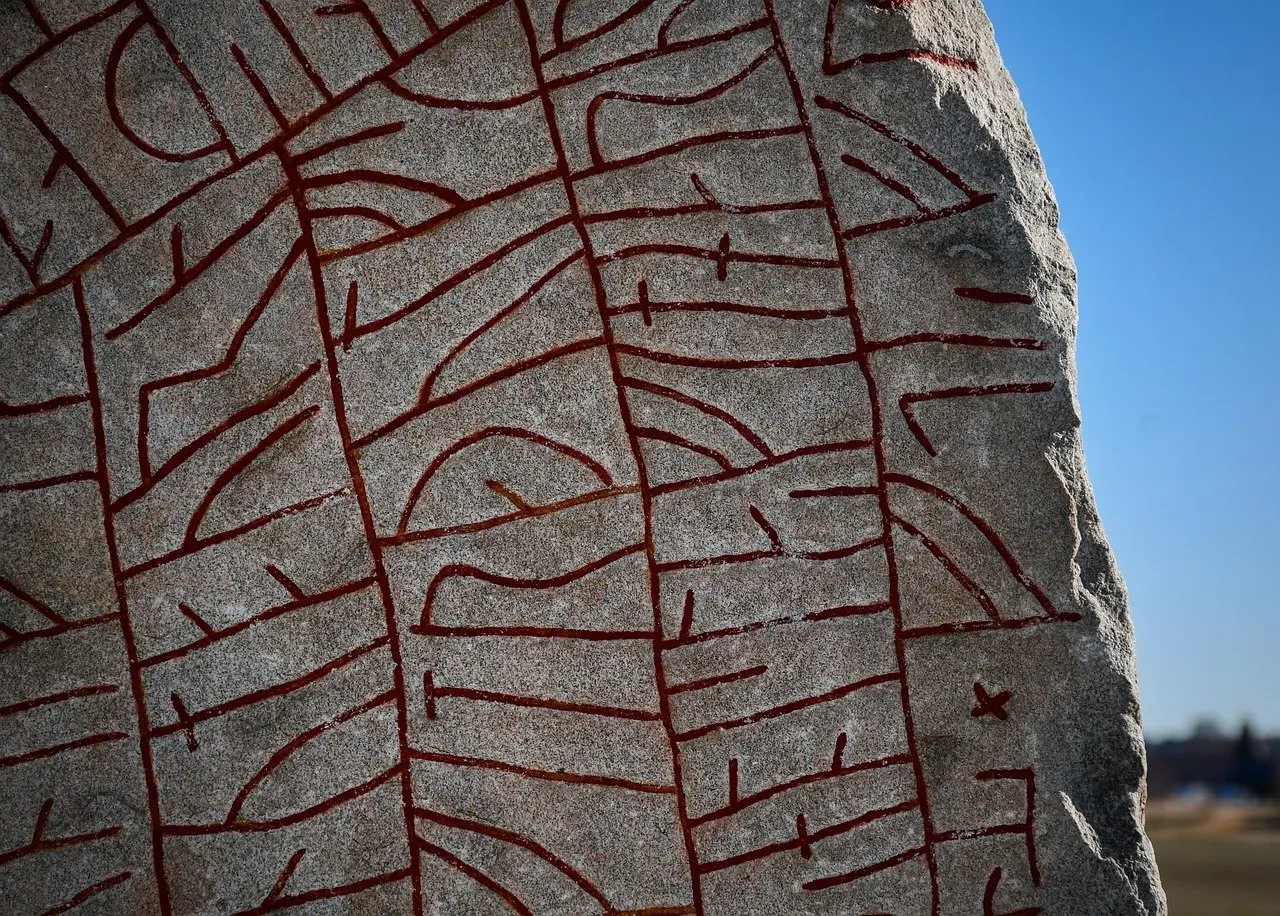
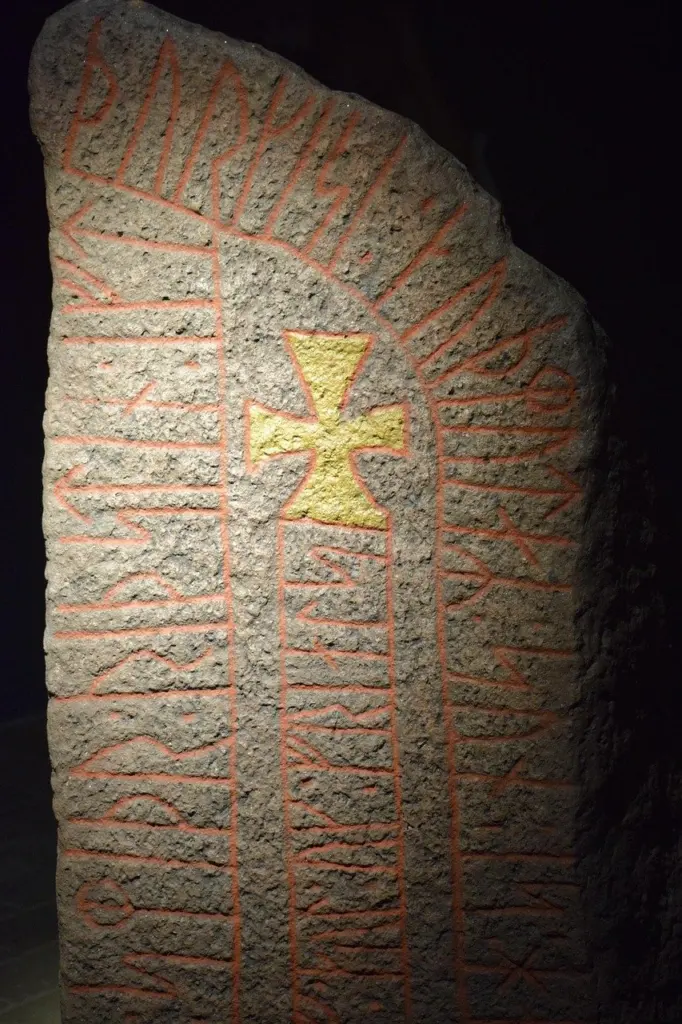
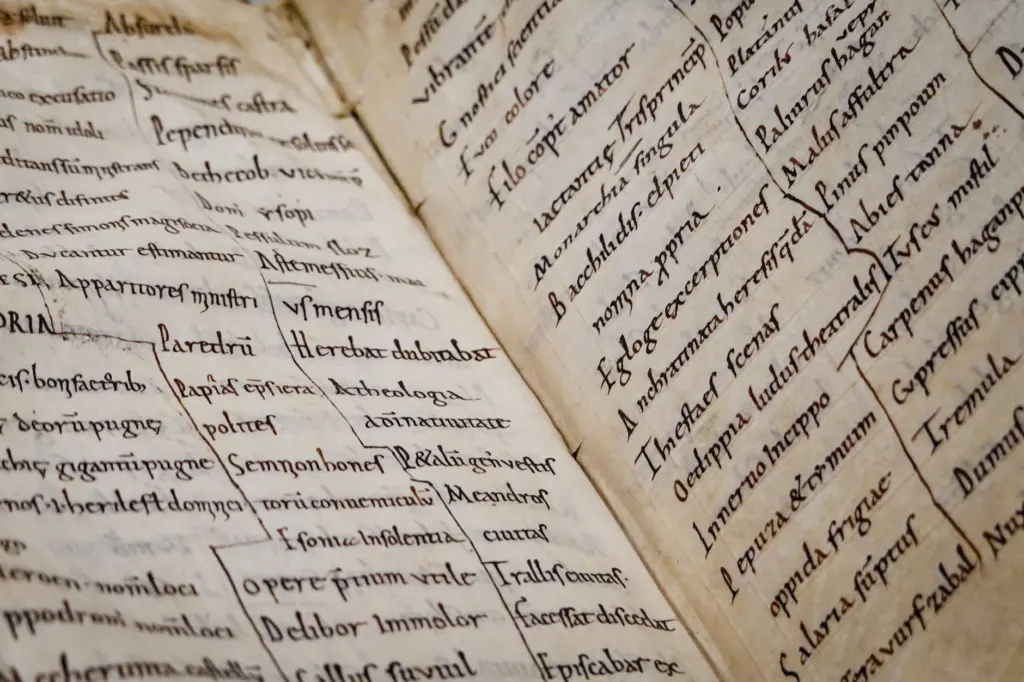
The Poetic Edda was compiled and set down from older traditional sources in the period 1,000-1300 A.D., as one overview puts it. The same overview notes that a Prose Edda, attributed to Snorri, was written in the late 13th or early 14th century. The practical consequence is that the poems preserve older tradition in a compiled form, while Snorri’s prose is a later, organised account. When two texts disagree about a goddess, that difference is part of the evidence rather than an error to smooth over.
Individual poems matter for individual goddesses. Lokasenna, the poem of the quarrel at a feast, shows Frigg and Skaði present and gives Frigg’s most quoted trait. Grímnismál supplies Freyja’s role with the slain. Snorri’s account supplies the ranking, placing Frigg first among the Ásynjur, the group of goddesses.
Material and place evidence
Archaeology and place names are part of the same record, and they work differently from poems. Plant names are a clear example: many plants in Scandinavia were once named for Freyja, including Freyja’s Tears and Freya’s Hair, according to the Jung Center overview. A name like that shows a goddess was remembered in everyday language. It does not on its own describe a ritual, so treat it as evidence of memory and look for further support before claiming a practice.
The main Norse goddesses at a glance
The Ásynjur are a group, not a short list, and the figures below are the ones with the clearest attributes in the evidence. Use the table to pick which text to open for which goddess.
| Goddess | Text or account | What it says | Planning use |
|---|---|---|---|
| Frigg | Snorri’s account; Lokasenna | Odin’s wife and the foremost Ásynja; knows the fates of all beings but does not speak them | Start here for rank and the theme of withheld knowledge |
| Freyja | Grímnismál | Participates in choosing half the slain each day | Use for questions about love-and-war overlap |
| Iðunn | Ásynjur overview | Married to Bragi; keeper of the apples that preserve the gods | Use for the theme of renewal and youth |
| Skaði | Lokasenna | Wife of Njord, present at the feast | Use for the winter and mountain figure among the goddesses |
| Sága | Ásynjur overview | Named among the goddesses of the Ásynjur group | Treat as a named goddess and read her later description alongside it |
The Frigg, Iðunn and Sága rows draw on the Mythic Harmonies overview, and the Freyja and Skaði rows on a Norse mythology essay on Frigg and Freyja.
Frigg: Odin’s wife and keeper of fate
Frigg is Odin’s wife and the foremost Ásynja in Snorri’s account, and she dwells in the hall Fensalir, according to the Mythic Harmonies overview. Lokasenna adds the detail that defines her: she knows the fates of all beings but does not speak them.
That detail shapes how to read her. Her portrait is one of rank and silent knowledge, not of display. She suits readers who want the queenly, knowing side of the pantheon. Anyone looking for a goddess of love or battle should turn to Freyja, a separate figure with a different set of attributes.
Freyja: love, beauty, war and magic
What Freyja was the goddess of
Freyja is described as the most familiar and powerful of the Norse goddesses, with influence over love, beauty (particularly gold) and fertility. The same account says she travels in a chariot pulled by two cats and weeps tears that turn to gold. If a reader needs one sentence on what she governed, love, beauty and fertility come first.
Her second sphere is the dead of battle. Grímnismál has Freyja participating in choosing half the slain each day. A modern retelling adds that she collects half of the mortal believers who die in conflict into her great hall, and names that hall Sessrúmnir. The pairing of love and war can look odd, but both belong to the same figure in the texts, and reading only one half gives a thinner picture.
A third sphere is magic. Freyja practises seiðr, which the Her Campus retelling describes as a type of religious Norse magic used for both telling and shaping the future. That makes her the goddess to consult for prophecy and fate-shaping, which complements Frigg’s knowledge without repeating it. Frigg knows and stays silent, while Freyja acts on the future.
Worship and folklore
Freyja is the goddess whose popular following is described most directly: her influence in love, beauty and fertility was popularly sought after. Her influence also persisted in folklore, and the plant names above are the lasting trace. A reader tracing her worship should hold these two things together: a stated popular demand for her help, and a body of names that outlived the old religion.
Iðunn, Skaði and Sága
These three goddesses show that the Ásynjur were not only mothers and lovers. Each is tied to a distinct domain.
- Iðunn and renewal. She is married to Bragi and is the keeper of the apples that preserve the gods, per the Mythic Harmonies overview. Read her as the goddess of the gods’ continued youth.
- Skaði and the mountains. A modern overview calls her the giantess of winter, skiing and mountains. She appears in Lokasenna as the wife of Njord, present at the feast. She is the figure to open for winter and wilderness themes.
- Sága and water. The same overview describes Sága as the goddess in the form of the waterfall. Alongside her place in the Ásynjur group, this gives her a water identity that is easy to remember.
A caution applies to all three: they are described by modern overviews of the myths, so the strongest anchor for each is the text that names her, such as Lokasenna for Skaði. Descriptions of what a community did for these goddesses should be checked against a text or an object before they are repeated.
How goddesses were worshipped
The clearest worship evidence belongs to Freyja: people sought her help in love, beauty and fertility, and Scandinavian plant names and folklore preserved her memory. For the other goddesses, the texts give attributes and stories rather than a description of ritual. A goddess’s domain, such as Iðunn’s apples or Skaði’s mountains, tells you what the myths associated with her. It does not prove that a particular rite was held for her.
This distinction is the most useful habit for reading popular accounts. Many summaries assign altars, offerings and festivals to each goddess with equal confidence. Check each claim against the layers of evidence described earlier:
- Identify the layer. Is the claim from a poem, from Snorri’s synthesis, from skaldic verse, from archaeology or from place names?
- Check the date. The Poetic Edda was compiled from older sources, while the Prose Edda is a later work, so the same goddess can look different in each.
- Separate myth from practice. A story about a goddess and a record of people honouring her are different kinds of evidence.
- Keep figures apart. Attributes belong to one goddess unless a text links them, which matters most for Frigg and Freyja.
Applied together, these steps keep the picture honest. They also explain why Freyja dominates discussion of worship: her following is stated, while the others are best understood through the myths that name them.
Frequently asked questions
Are Frigg and Freyja the same goddess?
No. The Prose Edda names Freyja as a Vanir goddess, whereas Frigg is not, and they are treated as separate figures in Norse mythology.
Who was Freyja married to?
One retelling says Freyja is married to the god Óðr.
Which goddesses belong to the Ásynjur?
The Ásynjur group includes Frigg, Iðunn, Sif, Skaði, Nanna, Sága, Eir, Gefjon, Fulla and Sjöfn, along with others.
Why did Skaði’s marriage to Njord end?
One overview says Njord married Skaði, and the marriage ended because the two could not bear each other’s realms.