

Arrive expecting all-day sightseeing and winter daylight will cut it short, so every Iceland winter itinerary should place sights in the bright middle of the day and aurora hunting after dark. A short trip works; extra days add slack when roads close.
Use this plan alongside our guide on how to plan a cultural heritage trip, which covers the wider choices behind any trip like this one.
Misconceptions that break a winter plan
The most common mistake is planning winter days like summer days. Iceland’s winter has far less light to work with, and the weather decides whether the Northern Lights, waterfalls and glaciers are actually visible. One travel guide notes that 21 December, the winter solstice, has only about 4-5 hours of daylight. A trip report describes sunlight from about 10:30 AM to 3:30 PM each day. Build each day around that window.
| Common assumption | What is supported | Planning use |
|---|---|---|
| Winter days are long enough for a full sightseeing schedule | About 4-5 hours of daylight on 21 December; one trip report describes sunlight from about 10:30 AM to 3:30 PM | Choose one or two outdoor anchors per day and keep the rest flexible |
| The Northern Lights are a safe bet | Skies must be very clear, and a sighting is not guaranteed on a week-long trip | Treat the aurora as a bonus across several evenings, not a single-night target |
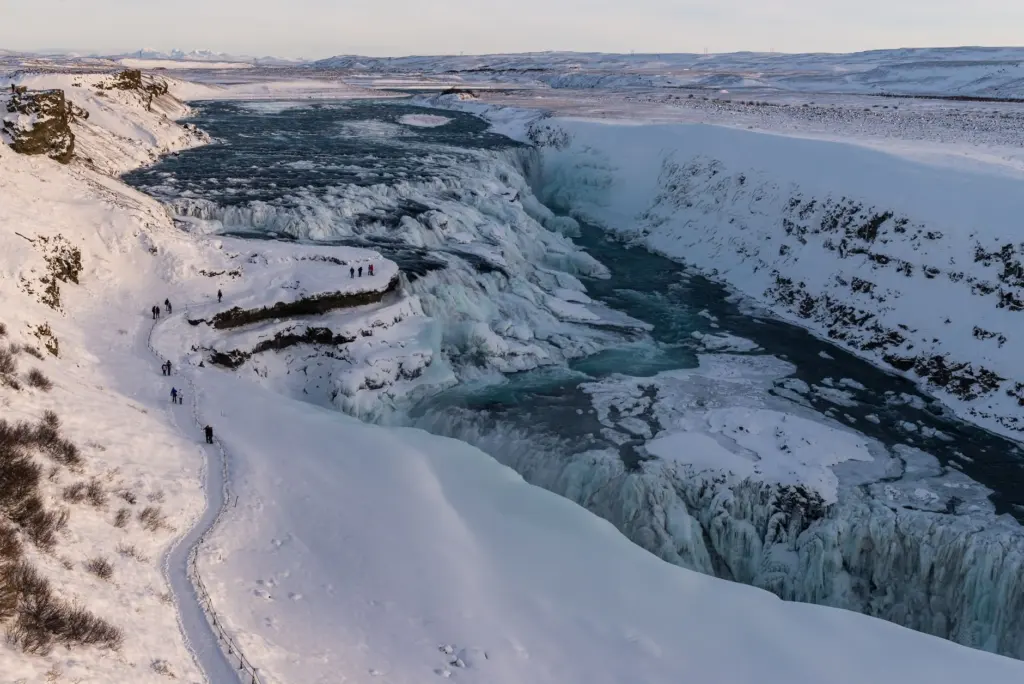
| Gullfoss can be explored on foot | Walking around the area is mostly forbidden in winter, while summer walks are allowed | Plan a viewpoint stop rather than a hike |
Figures are drawn from Arzo Travels’ five-day itinerary and The Weekend Hedonist’s Iceland trip report.
- “Winter means everything shuts.” Closures are concentrated around the holidays, not spread across the season, which is covered in the FAQ below.
- “More stops means a better trip.” Short light and changeable roads reward fewer, better-timed stops over a long list.
- “Winter is only about the aurora.” Certain activities are only available in winter, including ice caves, Diamond Beach visits, dog sledding and glacier trekking, according to the same trip report.
How many days a winter trip needs
Five days is a short visit, and the Arzo Travels itinerary itself says it would be great to spend more than 5 days in Iceland. A compact trip is workable if you stay in the south and accept that bad weather may cost you a stop. If you can, add a spare day or two as a weather buffer rather than another destination.
- Arrival and Reykjavik. Keflavík International Airport is about 50 km from the centre of Reykjavik, so the first evening is best kept light.
- Golden Circle day. A loop of about 300 km from Reykjavik, covered in the next section.
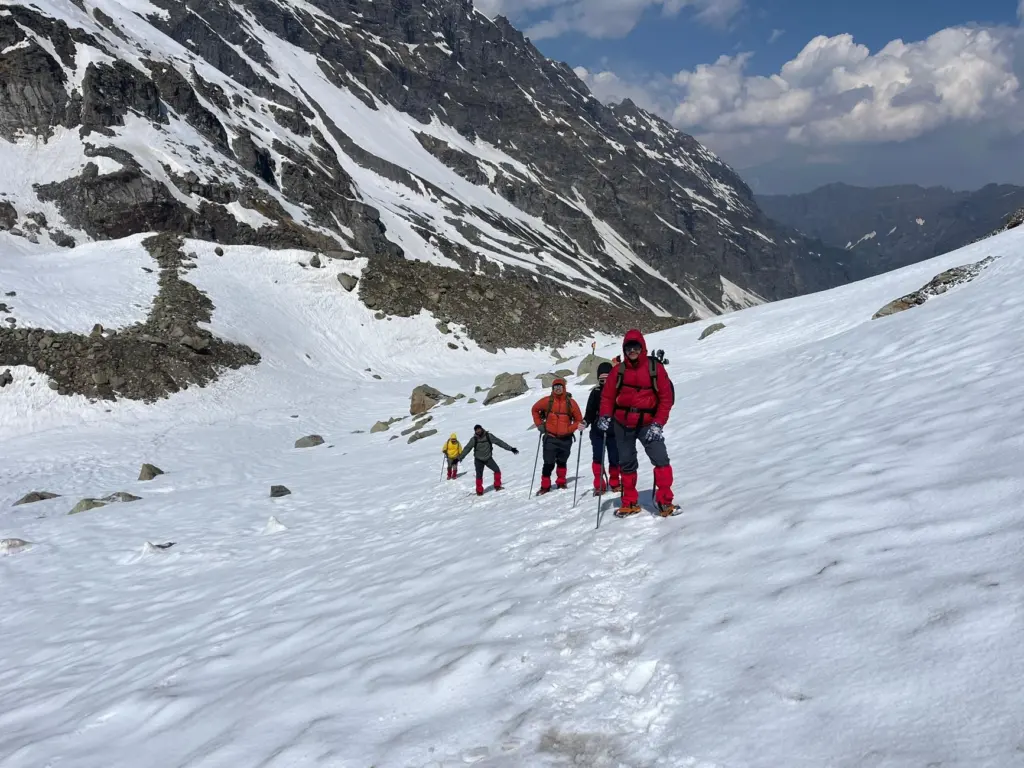
- South coast and glacier day. Use the middle of the day for a guided glacier walk.
- Jökulsárlón and Diamond Beach. The farthest point of the plan, so it needs the most flexible timing.
- Spare days. Use these for weather slips or a slower Reykjavik stay.
A trip report on the Rick Steves forum found that early spring was too extreme to visit the far north. That is a good reason to keep a short winter plan to southern Iceland rather than stretching it across the country.
Golden Circle in short daylight
The Golden Circle suits the first full day because it is a loop of about 300 km from Reykjavik into the southern uplands and back, with three stops that reward the bright hours. Details here come from Arzo Travels’ itinerary.
Þingvellir National Park
Þingvellir sits in a rift valley caused by the separation of 2 tectonic plates. A typical visit takes 30-60 minutes, and there is no entrance fee. That makes it the stop to trim if daylight is running short, but it is also the one that links geology and Iceland’s heritage most directly.
Gullfoss
Gullfoss drops in two stages, one 11 m high and the other 21 m. Because walking around the site is mostly forbidden in winter, plan on a viewpoint visit and spend your daylight elsewhere.
Strokkur geyser
Strokkur erupts every few minutes. Its usual height is 15-20 m, though it can sometimes reach 40 m. The frequent eruptions make it an easy stop to fit late in the day.
South coast, glaciers and Jökulsárlón
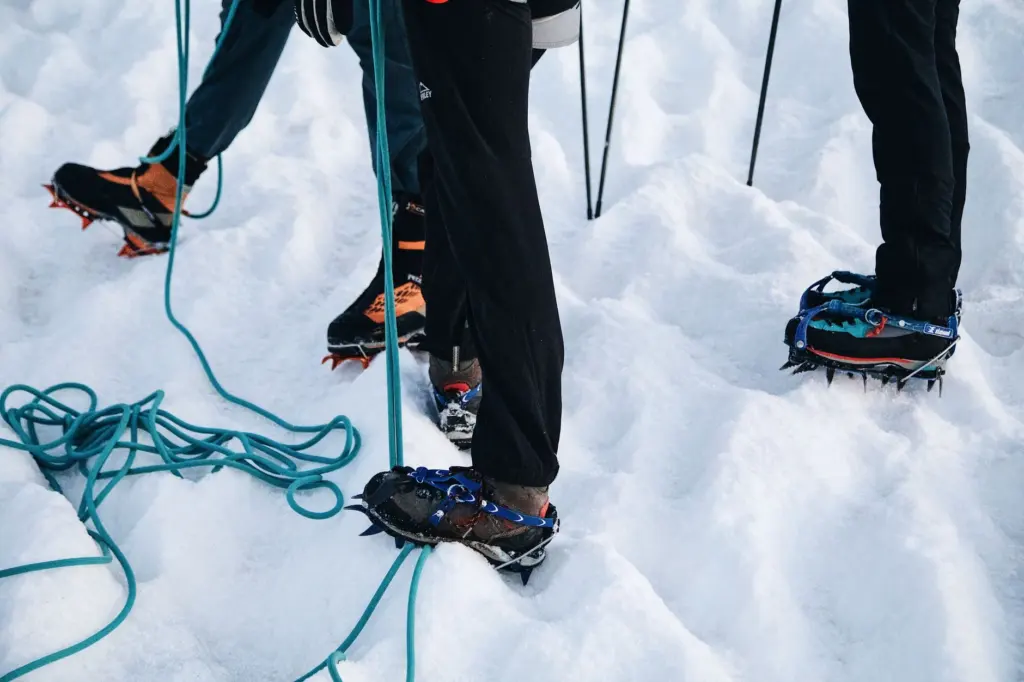
Glacier days are where winter light and safety rules meet. Svínafellsjökull is an outlet glacier of Vatnajökull, and a guide is mandatory on glacier walks because the guides know the glacier and its treacherous crevasses, as one winter Ring Road trip report explains. Book a guided walk rather than looking for a route on your own, and place it in the brightest hours.
At Jökulsárlón, treat the boat as optional. During winter the zodiac rides are not always possible, so the shoreline view and the nearby Diamond Beach carry the visit. Diamond Beach is a black sand beach covered in diamond-like chunks of glacier, according to The Weekend Hedonist, and it is among the sights that suit winter best. Together, these stops sit in Vatnajökull National Park territory and are the farthest, least flexible part of the plan, so schedule them for a day when the forecast and road reports agree.
Northern Lights planning
The Northern Lights are an evening activity, so treat them separately from daytime sightseeing. Because a sighting is not guaranteed on a week-long trip, spread attempts across several evenings and avoid saving the only attempt for the last night. If you book a tour, pick one that will refund or rebook you on cancellation, as The Weekend Hedonist advises. That keeps a cloudy night from becoming a wasted cost.
Winter driving rules and road checks
Road conditions decide whether a day works, so check the Icelandic Road Administration’s road.is for real-time updates before every drive. A winter Ring Road trip report explains that a road marked red ahead is impassable, so wait for conditions to change rather than pushing on.
- Vehicle choice. The same report advises renting nothing less than a 4×4 car for winter. Drivers who would rather not handle the conditions can use guided tours for the long southern days.
- Daily routine. Check the road map each morning and again before any long leg, and shorten the day when a road is red.
- Cost angle. Accommodation is less expensive in winter because summer is the more popular season, which can offset the cost of a sturdier rental.
Spare days around Reykjavik
The final days work best as weather insurance and slower heritage time. In Reykjavik, the Árbæjarsafn area features 19th- and 20th-century houses and churches, according to Guide to Iceland. The same guide notes that Hafnarfjörður is only a 15-minute drive from the city centre, which makes it an easy short trip if a longer one is cancelled.
If you are pairing Iceland with another cold-season trip, our guide to Copenhagen In December: 12 Cozy, Festive Things To Do For English-Speaking Visitors – Scanheritage suits a city break after the remote landscapes. For another wooden-architecture heritage visit in the cold season, see Inside The Stave Church: A Visitor’s Guide To Norway’s Wooden Sanctuaries (2026) – Scanheritage.
Frequently asked questions
| Question | Answer |
|---|---|
| Is it safe to drive in Iceland in winter? | It is manageable with preparation but demanding. A winter Ring Road trip report calls winter driving tiring and lonely, with a need to stay alert because visibility can drop from good to zero. |
| When is the best time to see the Northern Lights? | They are most visible from September to April, according to Arzo Travels, so a winter trip falls inside the season. Skies must be very clear for a sighting. |
| Which heritage sites are open in winter? | Closures mainly occur between 24-26 December and on 31 December and 1 January, according to Guide to Iceland. Outside those dates, check each site’s own listing before you go. |
| When does winter run in Iceland? | Winter in Iceland typically spans late October to early April, per Arzo Travels. |