

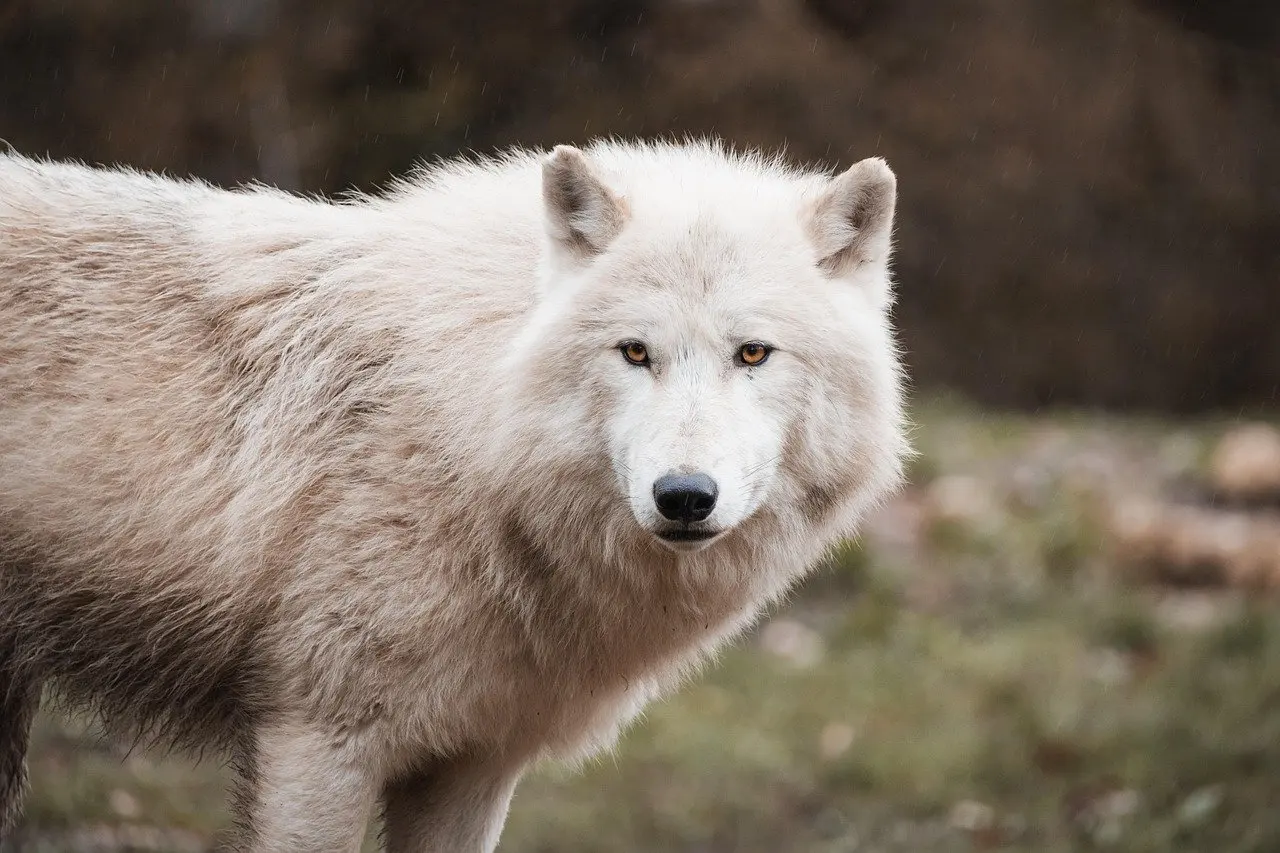
A reader sees a wolf, a serpent and a horse named as Loki’s offspring and wonders how they fit together. In loki children norse mythology the answer is Fenrir, Jörmungandr and Hel (with Angrboða), Sleipnir (born to Loki) and Narfi and Váli (with Sigyn).
Every account of these children is a medieval text or a later summary of one. Readers weighing that evidence can begin with what are primary sources in history, then return here for the family sorted by mother and by story.
Loki’s family at a glance
Sorting the children by mother clears up most confusion. A summary of Loki’s children gives his three children with the giantess Angrboða as Fenrir, Jörmungandr and Hel. His Aesir wife Sigyn bore two sons, Narfi and Váli. Sleipnir belongs to neither household, because Loki was his mother and the stallion Svaðilfari his sire. The table below tests the three assumptions readers most often bring to this family.
| Common assumption | What the Edda-based accounts say | Planning use |
|---|---|---|
| All of Loki’s children share a mother | Angrboða bore Fenrir, Jörmungandr and Hel. Sigyn bore Narfi and Váli. Sleipnir’s mother is Loki himself, by the stallion Svaðilfari. | Group the children by mother before reading any single myth. |
| Loki fathered Sleipnir | Loki, disguised as a mare, drew Svaðilfari away from finishing the wall-building task. The eight-legged horse was born and Loki gave him to Odin. | Say “mother” when describing Sleipnir’s birth, or the story loses its point. |
| Hel is only a place | Hel is a figure to whom Odin gave power over nine worlds. The underworld of Niflheim became known as Helheim because it was her abode. | Read Hel as a ruler first and a realm second. |
The table draws on this overview of the children for parentage and Hel, and on this retelling of Sleipnir’s birth for the mare disguise and the gift to Odin.
Where the usual assumptions go wrong
- “They were all enemies of the gods.” Only the Angrboða trio are presented as threats. Sleipnir ends up as a gift to Odin, and Narfi and Váli appear as casualties inside the story of Loki’s own punishment.
- “The gods destroyed the dangerous ones.” The accounts describe containment, not killing. Fenrir is bound, Jörmungandr is cast into the sea and Hel is handed a realm, so none of the three is removed from the story.
- “The Edda gives one continuous biography for each child.” It does not. Episodes come from different texts, the Prose Edda and the Poetic Edda, and later summaries stitch them together. When a detail matters, trace it back to the text and chapter that carries it.
The children of Angrboða
Angrboða is a giantess, and the giant side of the cosmos begins with the primeval figure described in Ymir in Norse Mythology: The Primeval Giant Who Shaped the World (A 2026 Guide) – Scanheritage. Her three children, a wolf, a serpent and a ruler of the dead, show the gods trying to manage a threat that will not stay managed.
Fenrir, the bound wolf
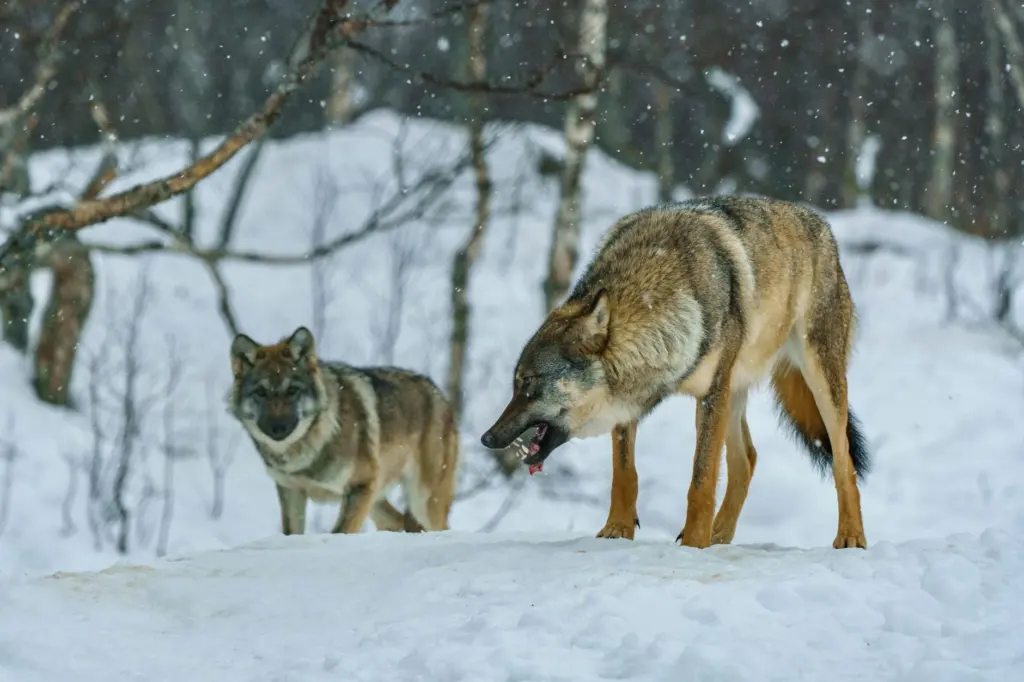
Fenrir is the child whose story turns on a broken promise. The gods fetter him with Gleipnir, which the Prose Edda (Gylfaginning 34) describes as made of six things, among them the noise a cat makes in foot-fall and the beard of a woman. When Fenrir realised the gods would not free him, he bit off Tyr’s hand. Tyr had offered his hand as a pledge, so his loss is the price of the gods’ deceit.
The same summary says Fenrir will eventually be slain by Odin’s son Vidar. That ending is why the binding reads as a delay and not a solution.
Jörmungandr, the serpent in the sea
Jörmungandr is the child the gods put out of reach. According to the Prose Edda account in Gylfaginning 34, Odin feared the beast and cast him into the sea surrounding Midgard. The Poetic Edda poem Hymiskviða adds a near-meeting with Thor, where Hymir, fearing that the encounter might trigger destruction, cut the line before the two could meet.
For the serpent’s origins, power and place in Ragnarök, read Jormungandr: The World Serpent Of Norse Myth — Origins, Power, And Role In Ragnarok (2026 Guide) – Scanheritage.
Hel, ruler of the dead
Hel is the only one of the three who receives an office instead of a prison. In Gylfaginning 34, as retold in this overview, Odin gave her power over nine worlds. Her underworld of Niflheim became known as Helheim as her abode. She is described as half blue-black and half flesh-coloured, an image of a figure who belongs to both the living and the dead.
Sleipnir: why Loki gave birth to a horse
Sleipnir was born to Loki because of a trick played to protect the gods’ bargain. In the retelling of the wall-building episode, Loki in disguise as a mare seduced the stallion Svaðilfari to distract it from finishing its task. The result was a foal, and Loki, not a goddess or a mare, was its mother.
The summary also records that Loki then gave Sleipnir to Odin the Allfather. That makes Sleipnir the one child of Loki who strengthens the gods instead of threatening them. The family overview names Svaðilfari as the sire and stresses that the horse has eight legs, a trait that sets him apart from every other animal in the myths. A short Snorri-based list on a Loki reference page places Sleipnir alongside Hel among Loki’s other children, which confirms how firmly he sits in the family.
Narfi and Váli, the sons of Sigyn
Narfi and Váli are the children who pay for their father’s fate. In the Prose Edda (Gylfaginning 50), as summarised here, Váli was turned into a wolf, lost his senses and tore his own brother Narfi apart. Narfi’s entrails were then used to bind Loki.
The episode answers a question the table raised about the family: the sons of the Aesir wife suffer in a different way from the monstrous trio. They are not feared by the gods. They are consumed by the punishment the gods devise, which makes them a story about kin bearing the cost of one member’s actions.
Reading the Edda evidence
The Prose Edda is, in the words of a discussion of Loki’s children, a thirteenth-century manuscript, and its Gylfaginning supplies the details for Fenrir, Jörmungandr, Hel, Narfi and Váli. The Poetic Edda supplies the Hymiskviða scene. For English readers, the Icelandic sagas database lists Benjamin Thorpe’s 1866 translation of the Edda poems.
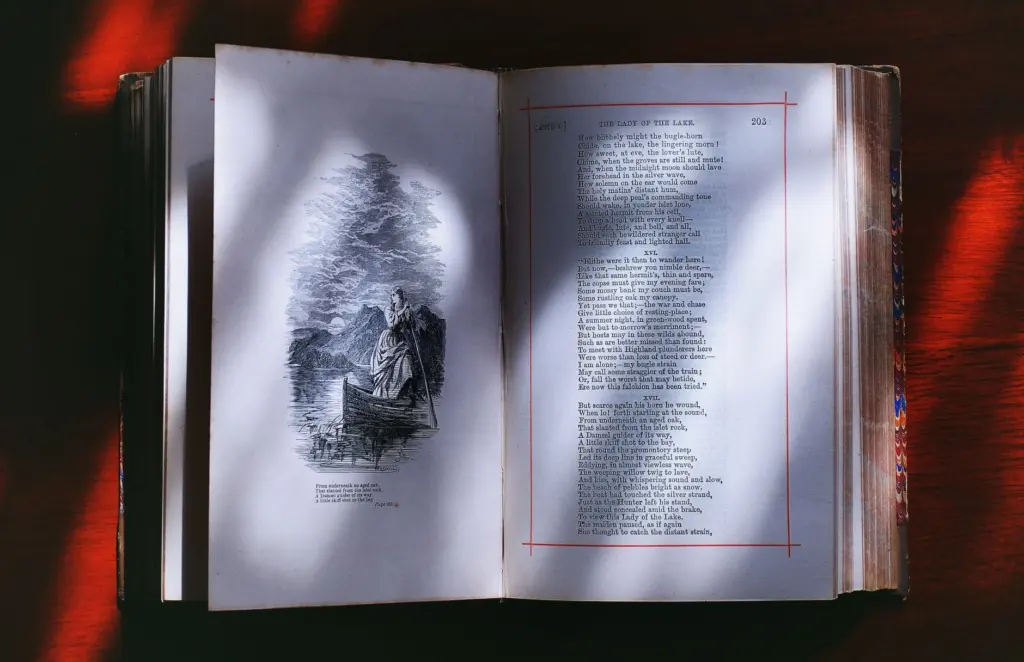
Two practical rules follow. First, cite the chapter, such as Gylfaginning 34 or 50, instead of citing a summary. Second, treat modern retellings as pointers to the text, not as substitutes. Art also preserves the family: a 1833 pen-and-ink artwork of Loki and Sigyn is credited to the National Museum, Sweden, which shows that Sigyn’s story outlived the medieval texts.
Frequently asked questions
| Question | Answer |
|---|---|
| Which of Loki’s children appear at Ragnarök? | Fenrir is prophesied to be slain by Odin’s son Vidar, and Hel will sail to Asgard alongside Loki, according to this overview. She leads the dishonourable dead. |
| Is Narfi sometimes called Nari? | Yes. One discussion says Sigyn fathered Narfi and/or Nari, so check which name a translation uses. |
| What is Sigyn’s role in the myths? | She is Loki’s Aesir wife and the mother of two sons, Narfi and Váli. In the story of his binding she is shown catching the venom in a bowl, as the family summary records. |
| Is Loki a late invention of the poets? | No. A Loki reference page says it is now generally accepted that he is not a late invention of the Norse poets. |