

Visitors ask for clear choices when they search for things to do in Oslo Norway. This guide lists top sights, museums, outdoor options, food neighborhoods, and practical tips. It gives short descriptions and quick advice. It helps English-speaking visitors plan a compact, efficient stay in Oslo, whether you have a long weekend, a single day, or several days to explore.
Key Takeaways
- Things to do in Oslo Norway include visiting iconic landmarks like the Oslo Opera House, Royal Palace, and Holmenkollen Ski Jump for stunning views and history.
- Explore concentrated museum options such as the Viking Ship Museum and the National Museum to experience Norway’s rich history and art in a compact way.
- Enjoy outdoor activities like island hopping in Oslofjord, kayaking near the harbor, and visiting parks such as Frogner Park and Ekebergparken for nature and art.
- Savor local cuisine and vibrant neighborhoods including Grünerløkka and Aker Brygge to fully experience Oslo’s food culture and lively atmosphere.
- Use the convenient public transport system with an Oslo Pass for easy access to major sights, and plan your visit between June and August for the best weather and daylight.
- Practical tips: bring a contactless card, expect modest tipping, and choose your travel time based on activities you prefer, from winter sports to summer sightseeing.
See Oslo’s Iconic Landmarks
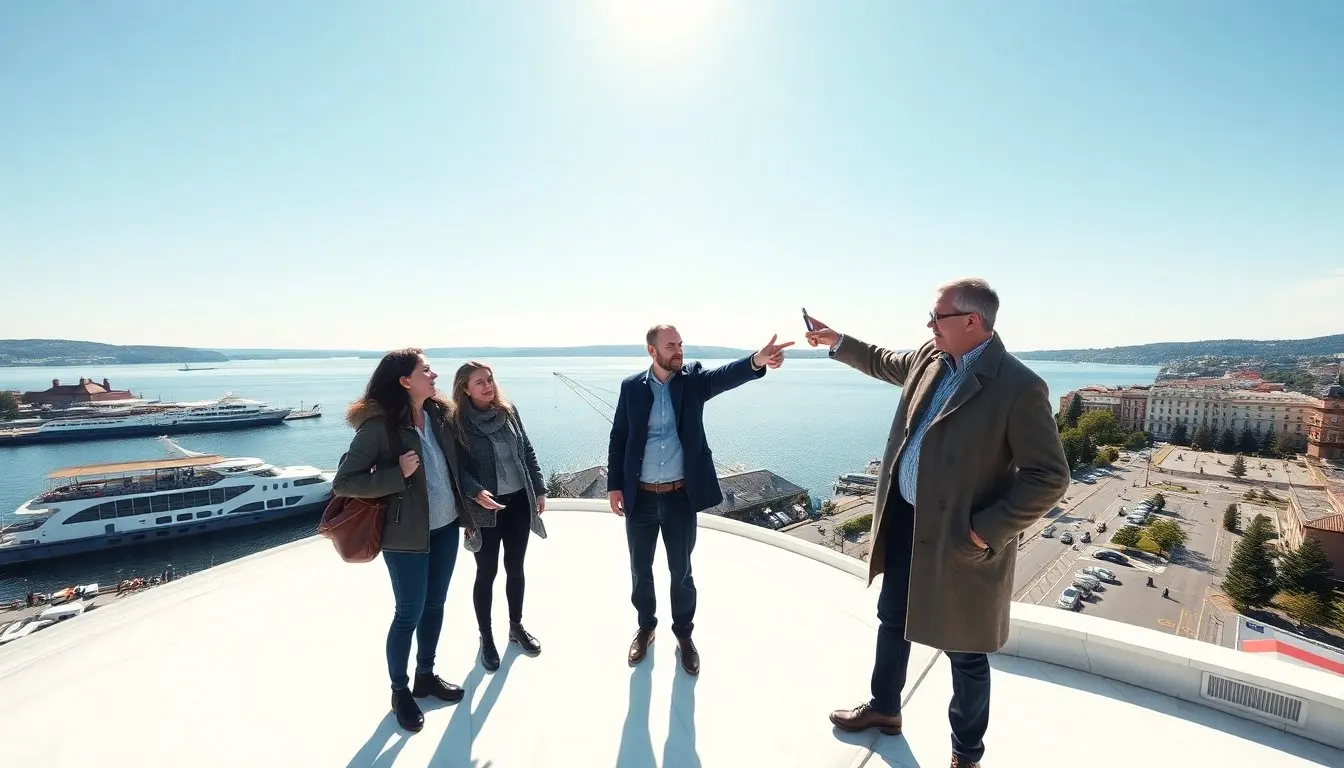
Oslo’s skyline shows several landmarks that visitors should see. They often start at the Oslo Opera House with its sloped roof and city views. They walk the roof and photograph the harbor. They visit the Royal Palace and watch the guard change. They stroll Karl Johans gate for shops and street life. They pause at Akershus Fortress for history and harbor views. They cross to the Barcode buildings to see modern architecture. They stop at the Holmenkollen Ski Jump to view the city and ski museum. These highlights form a compact list of things to do in Oslo Norway that suit short stays.
For planning, group landmarks by neighborhood to minimize travel time: central sights around the waterfront and Karl Johans gate can be combined into a half-day, while Holmenkollen and the ski jump are a short metro ride away and reward visitors with panoramic views. Consider visiting the Opera House at sunset for softer light and fewer crowds, and check opening hours for indoor sites to avoid arriving when a site is closed.
Explore Museums & Cultural Highlights
Oslo offers concentrated museum options on a short route. Visitors can spend a day on Bygdøy or split visits across the city. The next two subsections list focused museum choices and practical notes.
Viking Ship And Archaeology Exhibits
The Viking Ship Museum displays well-preserved ships, grave goods, and runic artifacts. The museum explains burial customs and shipbuilding. The Fram Museum presents polar exploration and the Fram ship. The Kon-Tiki Museum shows Thor Heyerdahl’s rafts and film footage. These museums remain essential things to do in Oslo Norway for history-minded visitors. They place artifacts close to one another, so visitors save time and see more in a single day.
Practical tips for museum visits: arrive early to avoid tour groups, combine a museum morning on Bygdøy with a relaxed lunch at a nearby cafe, and check whether temporary exhibitions need separate tickets. Many museums have good English signage and audio guides, making them accessible to international visitors.
Contemporary Art, Design And The National Museum
The National Museum houses Norway’s major paintings, including works by Edvard Munch. The museum presents modern displays and design collections. The Astrup Fearnley Museum shows contemporary art in a waterfront building. The Oslo City Museum and the Norwegian Museum of Decorative Arts present local craft and design. These sites form a compact cultural route for things to do in Oslo Norway that suits museum lovers and design-minded visitors.
For a balanced cultural day, pair a large museum visit with a smaller, specialized venue: visit the National Museum in the morning and an intimate design or local history museum in the afternoon. Many museums also host family-friendly activities, talks, and temporary exhibits, so check schedules if you are traveling with children or have particular interests in modern art or Norwegian design.
Enjoy Outdoor Activities And Oslofjord Adventures
Oslofjord offers quick boat trips and island hopping. Visitors can reach Hovedøya, Gressholmen, and Langøyene by ferry. They swim, picnic, and walk short trails. Kayak rentals allow quiet paddles near the harbor. The city parks invite short hikes and bike rides. Frogner Park holds the Vigeland sculptures and wide lawns. Ekebergparken combines art and forest paths with views. Visitors who want nature list these as top things to do in Oslo Norway since they require little travel time.
Seasonal suggestions: in summer the islands are ideal for swimming and barbecues, while autumn brings colorful forest walks and crisp air. Winter offers clear vistas and the chance to combine urban days with nearby cross-country skiing if you travel a short distance from the center. Bike rentals, guided kayak tours, and ferry timetables make it easy to plan outdoor days without much advance preparation.
Eat, Drink, And Experience Local Neighborhoods
Oslo’s neighborhoods offer tight, food-focused scenes. Grünerløkka shows cafes, secondhand shops, and casual bars. Majorstuen offers bakeries and family-friendly restaurants. Aker Brygge and Tjuvholmen provide waterfront dining and modern galleries. Mathallen Food Hall brings local producers under one roof. The city favors seasonal produce and seafood. A meal at a local bistro gives a clear sense of Norwegian flavors. Visitors often list food and neighborhood walks among top things to do in Oslo Norway when they want local color.
Suggested neighborhood itineraries: spend an afternoon in Grünerløkka sampling cafes and street food, then head to Aker Brygge for an evening waterfront meal. For a taste of local markets and artisanal products, reserve time at Mathallen. For nightlife, small bars and breweries in central neighborhoods offer a relaxed scene; for a quieter evening, try a pastry and coffee at a bakery popular with locals.
Practical Tips: Getting Around, When To Visit, And Money
Travelers find Oslo compact and easy to move through. They use trams, buses, the metro, and ferries on a single ticket system. They buy an Oslo Pass to save on transport and museum entry if they visit many sites. They visit between June and August for long daylight and warm weather. They visit March for winter activities and lower prices. They bring a contactless card and a small amount of cash. Tipping remains modest and optional. These practical notes help visitors pick the best things to do in Oslo Norway and plan time and budget.
Additional practical advice: plan realistic daily itineraries so you can enjoy neighborhoods rather than rush between sights. Many places are wheelchair-accessible, but check individual sites for accessibility details. Free Wi‑Fi is common in cafes and public spaces, and mobile data coverage is reliable for mapping and transit apps. If you want to save time, prioritize sights by interest—landmarks and fjord activities for first-time visitors; specialized museums and neighborhood exploration for repeat visitors.